Chinese (Simplified)
 Arabic
 Dutch
Dutch English
 French
 German
 Italian
 Portuguese
 Russian
 Spanish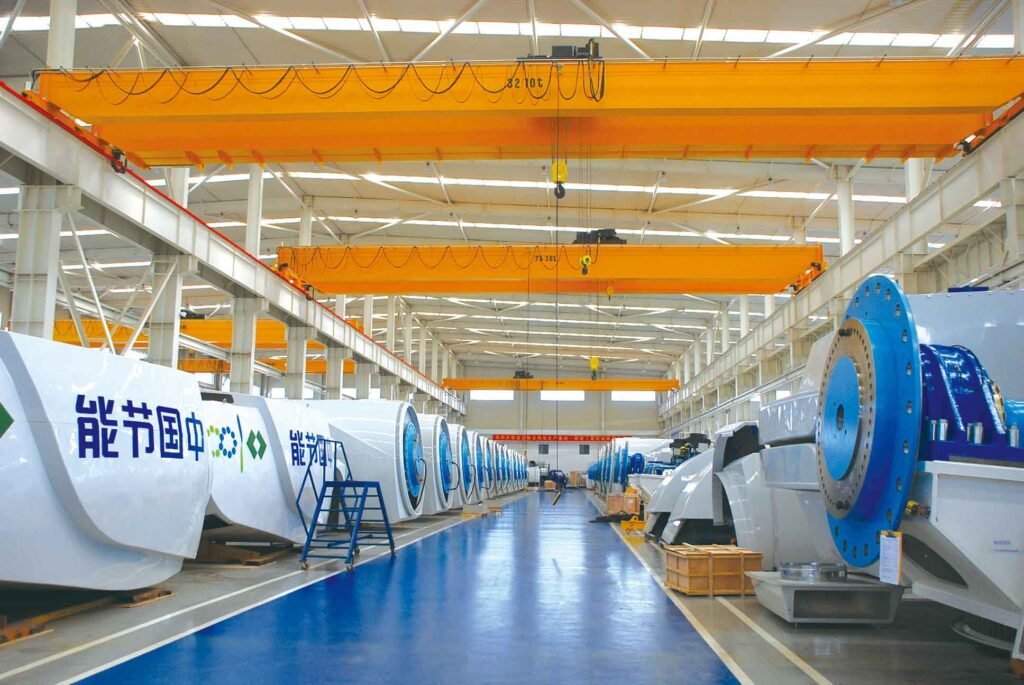
In modern industry, handling materials and lifting heavy equipment are essential tasks. The overhead crane plays a critical role in improving productivity and safety. From manufacturing plants and warehouses to construction sites, overhead cranes provide efficient and reliable lifting solutions.
Understanding what is an overhead crane helps companies select the right lifting equipment while adhering to industry safety and efficiency standards, enhancing professional credibility and authority.
1. Definition of Overhead Crane
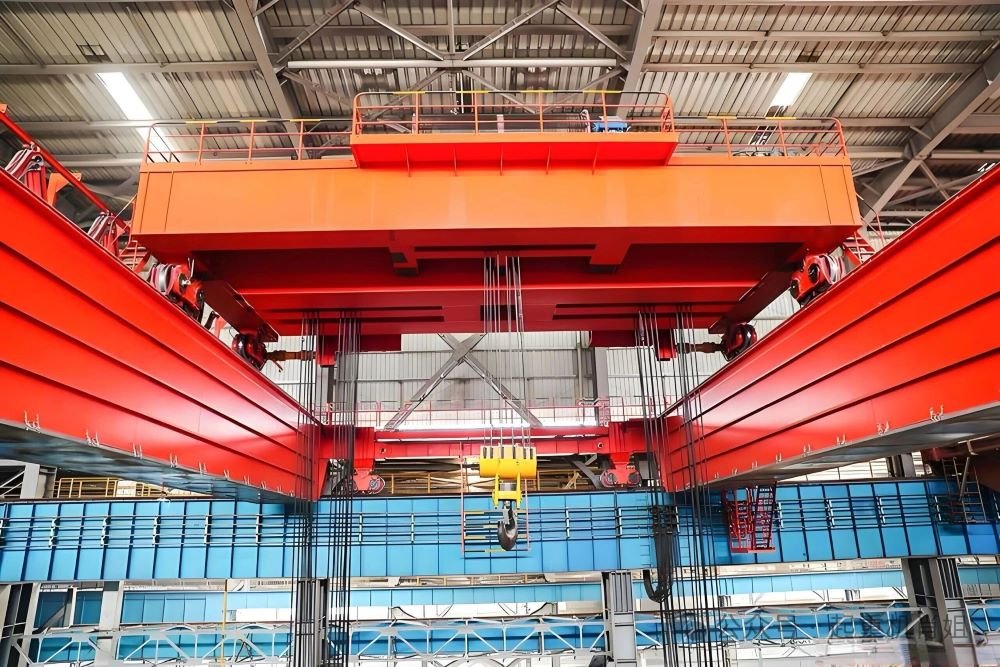
An overhead crane is a type of bridge crane commonly used in industrial environments. It typically consists of parallel runways and a bridge spanning between them, with a hoist mounted on the bridge to lift and move loads.
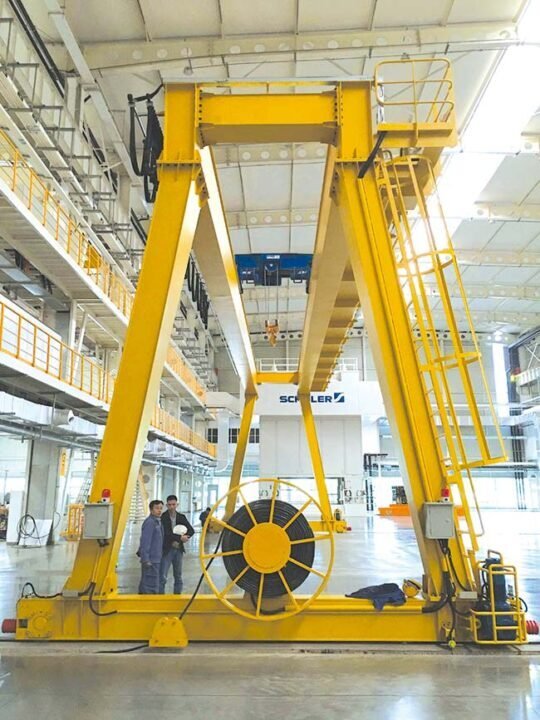
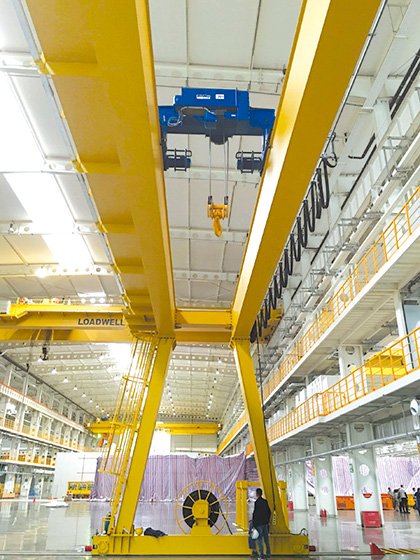
Unlike a gantry crane, whose entire frame usually moves on wheels along a track, the support structure of an overhead crane is usually fixed to the building’s walls or ceiling. This allows it to cover the entire workspace and provide stable, flexible lifting capabilities.
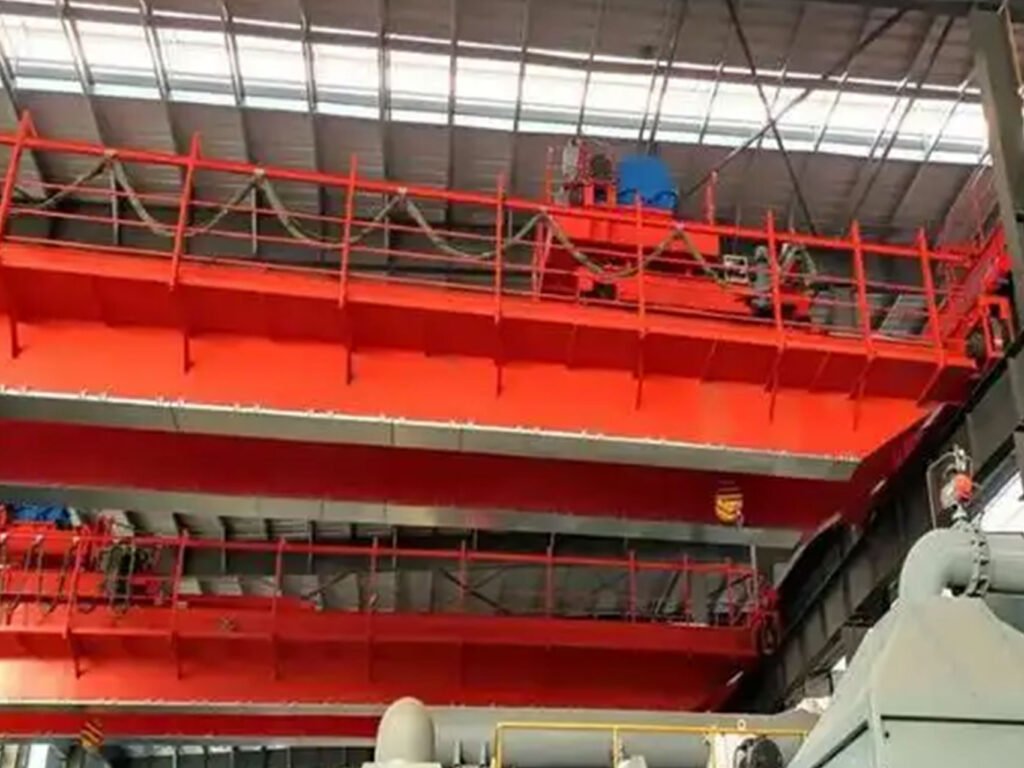
2. Main Components of an Overhead Crane
- Bridge Girder
The main horizontal beam that supports the hoist and trolley, forming the core structure of the crane. - Hoist
The lifting mechanism responsible for vertical movement of loads. It can be electric, hydraulic, or pneumatic. - Trolley
A moving device mounted on the bridge girder that carries the hoist and moves horizontally along the beam. - End Trucks / Wheels
Support the bridge girder and allow the crane to travel along runway tracks. - Control System
Electrical or automated controls that ensure safe, precise, and efficient operation of the crane.
These components work together to enable the overhead cranes to lift and transport heavy materials efficiently.
3. Types of Overhead Cranes
- Single Girder Overhead Crane
Simple structure, lower cost, suitable for light to medium loads. - Double Girder Overhead Crane
Stronger design, ideal for heavy loads or long spans. - Suspended Overhead Crane
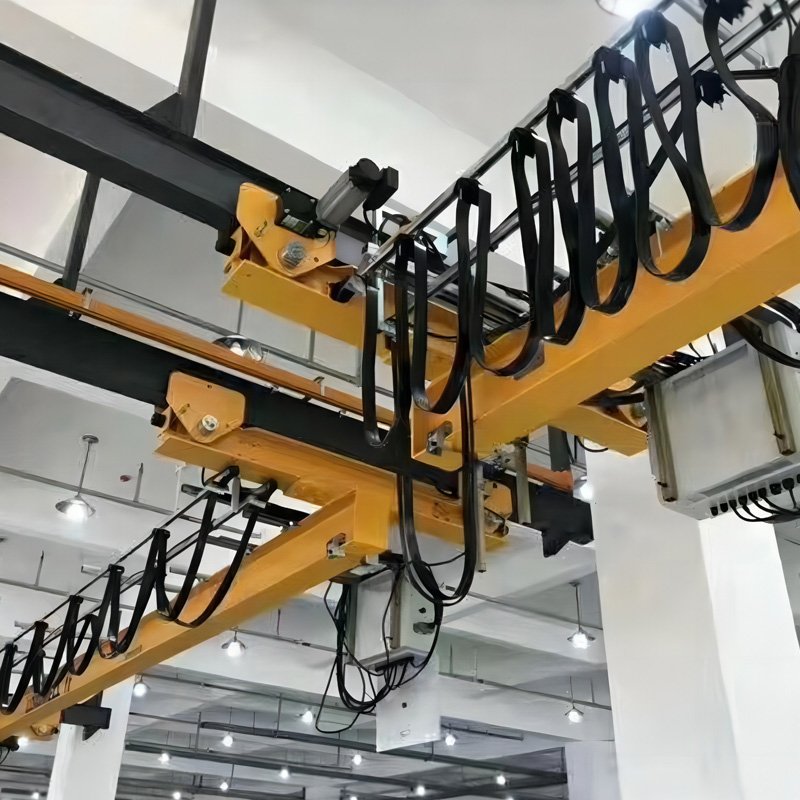
The runway is fixed to the ceiling, saving floor space and suitable for confined areas or special applications.
Selecting the right type depends on load weight, span, operating environment, and frequency of use.
4. Industrial Applications
Overhead cranes are widely used in:
- Manufacturing Plants: Handling materials on production lines and installing equipment.
- Warehouses & Logistics: Stacking, moving, and loading goods.
- Construction Projects: Lifting steel structures, concrete components, and heavy machinery.
- Energy & Heavy Industries: Handling equipment in nuclear power plants, mining, shipbuilding, and large-scale machinery.
According to the Crane Manufacturers Association of America (CMAA), overhead cranes can improve material handling efficiency by 30%-50% and significantly reduce the risk of workplace accidents.
5. Safety and Maintenance Considerations
To ensure safe and long-term operation of overhead cranes, companies should:
- Conduct regular inspections of wire ropes, hooks, pulleys, and brakes.
- Perform routine lubrication of bridge girders, end trucks, and hoists.
- Conduct load tests according to ISO 9927-1 or OSHA standards.
- Maintain control systems to prevent operational failures.
Following these guidelines reduces accidents and extends equipment lifespan.
6. Conclusion
The overhead crane is an indispensable piece of equipment for industrial production and logistics. Understanding its definition, components, types, and applications helps businesses choose the most suitable lifting solution.
If you are looking for a high-performance and reliable overhead crane solution, Yonghao Crane has over a decade of experience. We provide professional custom design, global installation, and after-sales support to ensure your project is safe, efficient, and successfully delivered.
Contact us:
Mr. Liu
Phone/WhatsApp/Wechat: +86-13751538898
Email: yonghaoqizhong@163.com