Chinese (Simplified)
 Arabic
 Dutch
Dutch English
 French
 German
 Italian
 Portuguese
 Russian
 Spanish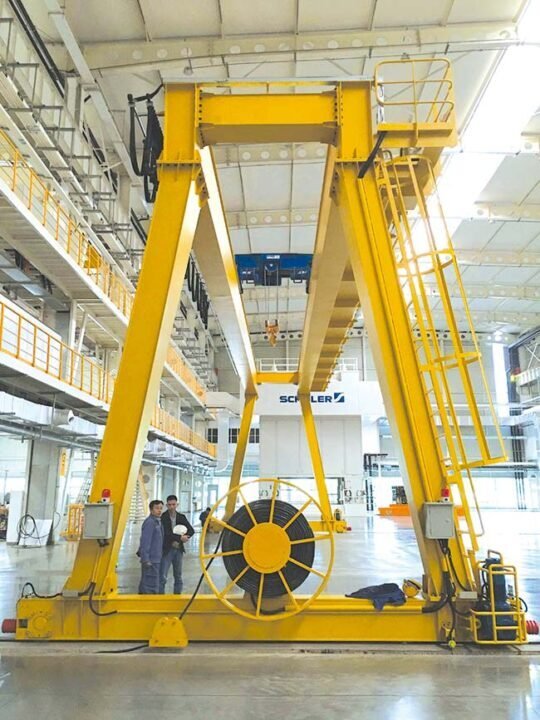
Quick Answer: What Is an Aluminum Gantry Crane?
An aluminum gantry crane is a lightweight, portable lifting system constructed primarily from high-strength aluminum alloy components. It is designed for light to medium-duty industrial lifting applications where mobility, fast installation, and flexibility are essential.
Unlike traditional steel gantry cranes, an aluminum gantry crane emphasizes portability and modular assembly. It is widely used in maintenance workshops, equipment installation sites, railway service facilities, and aerospace maintenance environments.
When engineered and operated within its rated capacity, it provides reliable lifting performance supported by structural calculations and safety factors.
Structural Components of an Aluminum Gantry Crane
Understanding the structural design helps buyers evaluate safety, durability, and long-term performance.
1. Main Beam
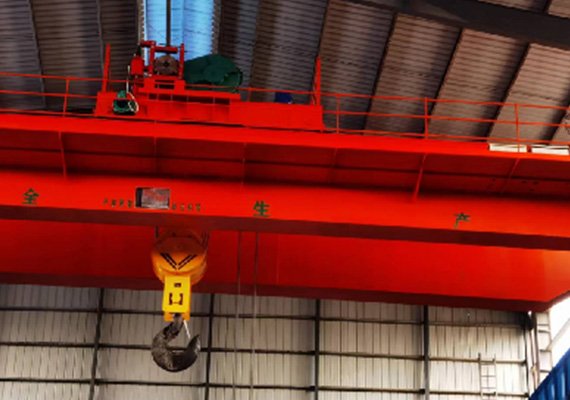
The main beam is the primary load-bearing element of an aluminum gantry crane.
Typical design features include:
- High-strength aluminum alloy profiles
- Box-type or I-beam structural configuration
- Engineered deflection control
Key engineering considerations:
- Maximum bending stress
- Allowable deflection
- Structural safety factor
In most designs, deflection is limited to approximately 1/500 of the span to ensure lifting stability and positioning accuracy.
Although aluminum has a lower modulus of elasticity than steel, proper structural reinforcement and cross-section design compensate for this difference while significantly reducing overall weight.
2. Supporting Legs
The legs transfer vertical loads safely to the ground and provide overall structural stability.
Common configurations include:
- Fixed height legs
- Adjustable height legs
- Foldable portable designs
Adjustable systems often use pin-locking or screw-based mechanisms to accommodate different working heights. This flexibility is especially valuable in workshops with varying equipment dimensions.
3. Trolley and Hoist System
An aluminum gantry crane can be equipped with:
- Manual chain hoists
- Electric hoists
- Variable frequency electric hoists
For applications requiring precise positioning, variable frequency drive systems offer:
- Reduced start-up impact
- Smoother lifting motion
- Improved positioning accuracy
- Extended mechanical lifespan
The hoist must always match the rated lifting capacity and comply with applicable safety standards.
4. Mobility System
Mobility is one of the defining features of an aluminum gantry crane.
Movement options include:
- Swivel casters for floor mobility
- Rail-mounted travel systems
Industrial-grade casters typically provide:
- High load-bearing capacity
- Durable wear-resistant materials
- Integrated locking mechanisms
Wheel quality directly affects operational safety and long-term reliability, especially in environments requiring frequent repositioning.
How Does an Aluminum Gantry Crane Work?
The working principle of an aluminum gantry crane follows basic load transfer mechanics.
Step 1: Vertical Lifting
The hoist lifts the load using a chain or wire rope mechanism.
Step 2: Horizontal Trolley Movement
The trolley moves along the main beam to position the load.
Step 3: Whole Unit Positioning
The entire crane can be relocated via casters when necessary.
Load transfer path:
Load → Main Beam → Supporting Legs → Ground Surface
For safe operation, the ground must be level and capable of supporting the combined weight of the crane and load.
Key Advantages of an Aluminum Gantry Crane
1. Lightweight Structure
Compared to steel models, aluminum gantry cranes significantly reduce structural weight.
Benefits include:
- Easier transportation
- Faster installation
- Greater flexibility in confined spaces
2. Corrosion Resistance
Aluminum naturally forms a protective oxide layer, making it resistant to corrosion.
This makes aluminum gantry cranes suitable for:
- Humid environments
- Light chemical exposure areas
- Outdoor applications with appropriate precautions
Reduced corrosion translates into lower long-term maintenance requirements.
3. Modular Design
Most aluminum gantry cranes feature modular construction:
- Detachable beams
- Sectioned legs
- Quick-connect components
This simplifies shipping, storage, and on-site assembly.
4. Reduced Maintenance Requirements
Because aluminum does not rust like carbon steel, ongoing maintenance is generally lower.
When operated properly and inspected regularly, an aluminum gantry crane can remain reliable for many years.

Aluminum Gantry Crane vs Steel Gantry Crane
| Feature | Aluminum Gantry Crane | Steel Gantry Crane |
|---|---|---|
| Material | Aluminum Alloy | Carbon or Alloy Steel |
| Weight | Lightweight | Heavy |
| Corrosion Resistance | High | Requires protective coating |
| Maximum Capacity | Light to medium duty | Medium to heavy duty |
| Portability | Excellent | Limited |
| Typical Use | Mobile applications | Permanent heavy lifting |
Selection depends on:
- Required lifting capacity
- Frequency of operation
- Need for portability
- Budget considerations
For high-capacity, permanent installations, steel may be preferred. For flexible, movable applications, aluminum offers clear advantages.
Typical Specifications and Capacity Range
Common specifications include:
Rated Capacity
- 0.5 ton
- 1 ton
- 2 ton
- 3 ton
Span Range
- 2 meters to 8 meters
Adjustable Height Range
- 2 meters to 6 meters
Actual specifications should be determined through engineering assessment based on the intended application and safety requirements.
Industrial Applications of Aluminum Gantry Crane
An aluminum gantry crane is commonly used in:
- Machinery installation and maintenance
- Automotive engine lifting
- Railway component servicing
- Aerospace parts handling
- Equipment repair workshops
- Light manufacturing facilities
In these environments, flexibility and mobility are often more critical than extremely high lifting capacity.
How to Choose the Right Aluminum Gantry Crane
When selecting an aluminum gantry crane, consider the following:
1. Maximum Load Requirement
Ensure the rated capacity exceeds the maximum lifting load.
2. Frequency of Use
Frequent lifting operations may justify electric or variable frequency systems.
3. Working Space
Determine the required span and lifting height.
4. Ground Conditions
The floor must be level and structurally adequate.
5. Customization Needs
Special spans, wheel types, or environmental adaptations may require tailored solutions.
Professional manufacturers typically provide:
- Engineering calculations
- CAD drawings
- Detailed specifications
- Installation guidance
These services reflect technical capability and long-term responsibility.
Safety Considerations
Safe operation requires:
- Never exceeding rated capacity
- Avoiding side pulling
- Ensuring stable ground conditions
- Conducting regular inspections
- Proper operator training
When used correctly, an aluminum gantry crane can operate reliably for many years.
Conclusion: Is an Aluminum Gantry Crane Right for Your Project?
An aluminum gantry crane is ideal for:
- Light to medium lifting applications
- Environments requiring mobility
- Temporary or maintenance operations
- Situations where quick installation is important
Its core advantages include:
- Lightweight construction
- High flexibility
- Corrosion resistance
- Ease of assembly
Selecting the right crane begins with accurate load evaluation and professional engineering support.
Email: yonghaoqizhong@163.com