Chinese (Simplified)
 Arabic
 Dutch
Dutch English
 French
 German
 Italian
 Portuguese
 Russian
 Spanish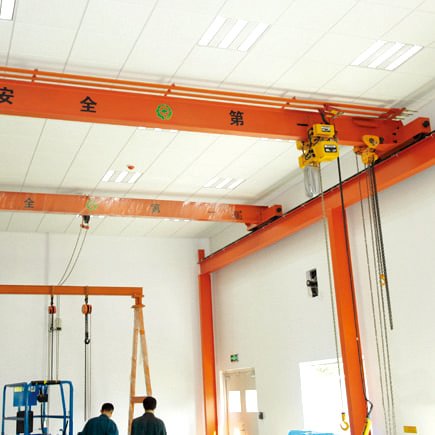
In modern industries such as construction, manufacturing, and warehousing, lifting equipment plays a vital role in ensuring both operational efficiency and workplace safety.
With the diversification of working environments, lifting systems have evolved into multiple categories—from stationary cranes to portable hoisting devices—each offering distinct structural advantages and usage scopes.
This article provides a structured and data-driven comparison between portable and foldable hoist and traditional hoist, focusing on their structural designs, performance characteristics, and typical applications.
1. What Is a Portable and Foldable Hoist
A portable and foldable hoist is a compact lifting device designed for mobility, ease of use, and quick setup. It is ideal for scenarios that require frequent relocation or temporary lifting operations.
Key Structural Features:
- Foldable Frame: Can be collapsed for storage, minimizing space usage.
- Mobile Base: Often equipped with caster wheels and brakes for smooth movement.
- Adjustable Boom Arm: Allows flexible height and angle adjustments.
- Load Capacity: Generally ranges from 0.5 to 3 tons, suitable for small to medium loads.
Common Applications:
- Vehicle repair workshops and maintenance centers
- Warehouses and logistics operations
- Construction sites for light lifting tasks
- Equipment installation and field maintenance
According to OSHA Portable Hoist Safety Guidelines, portable lifting equipment should undergo regular inspections of hooks, wire ropes, and braking systems to ensure compliance with safety regulations.
2. What Is a Traditional Hoist
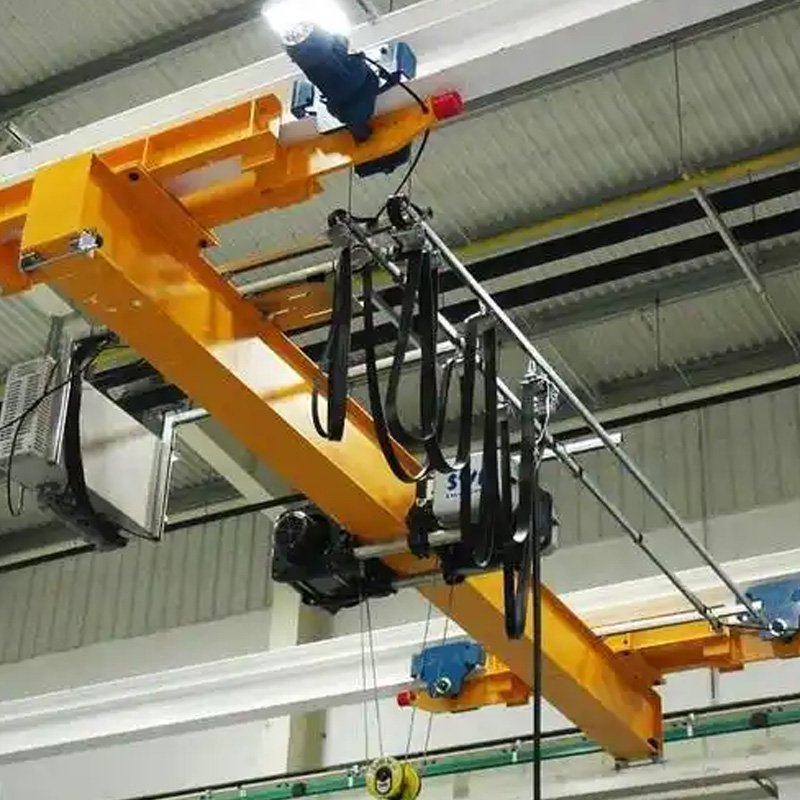
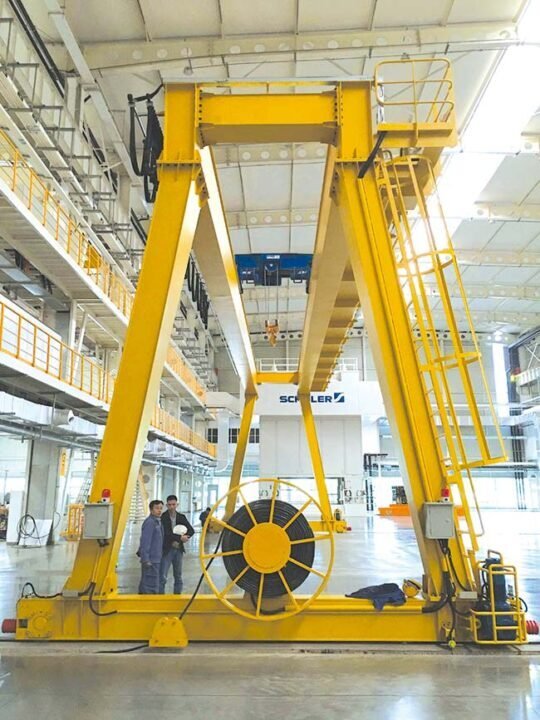
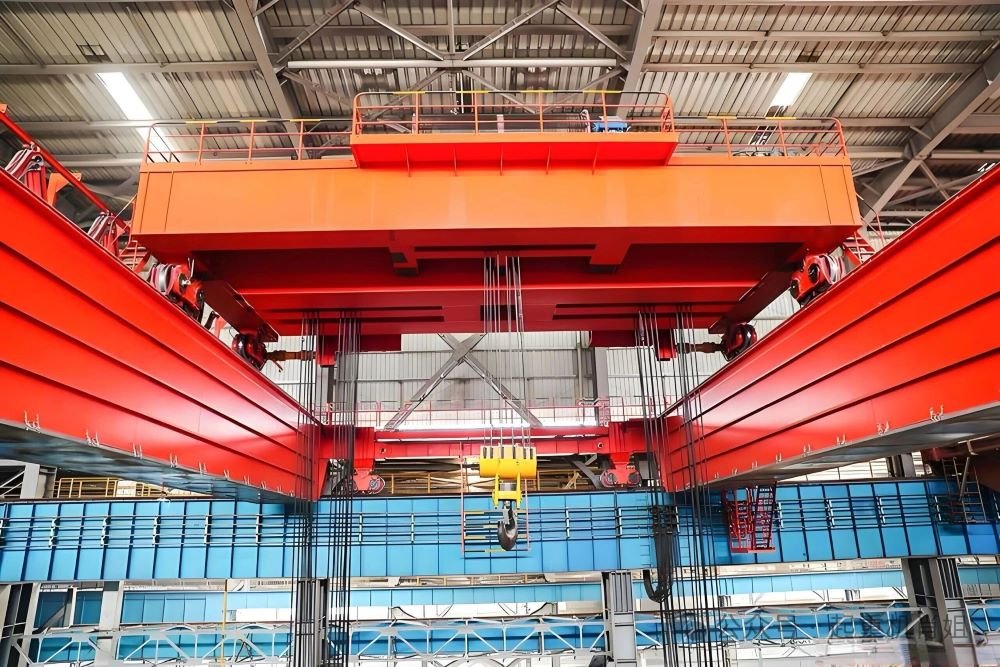
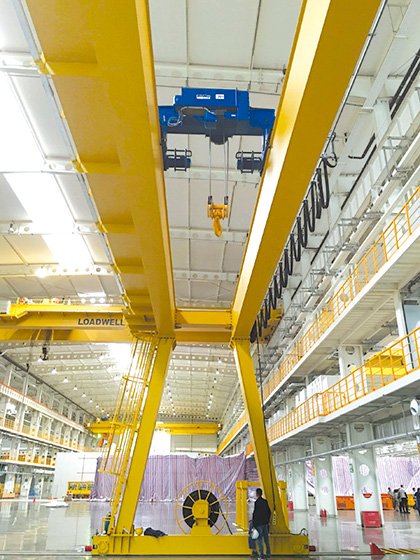
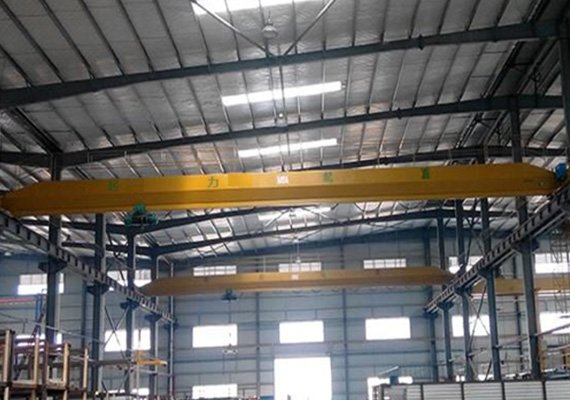
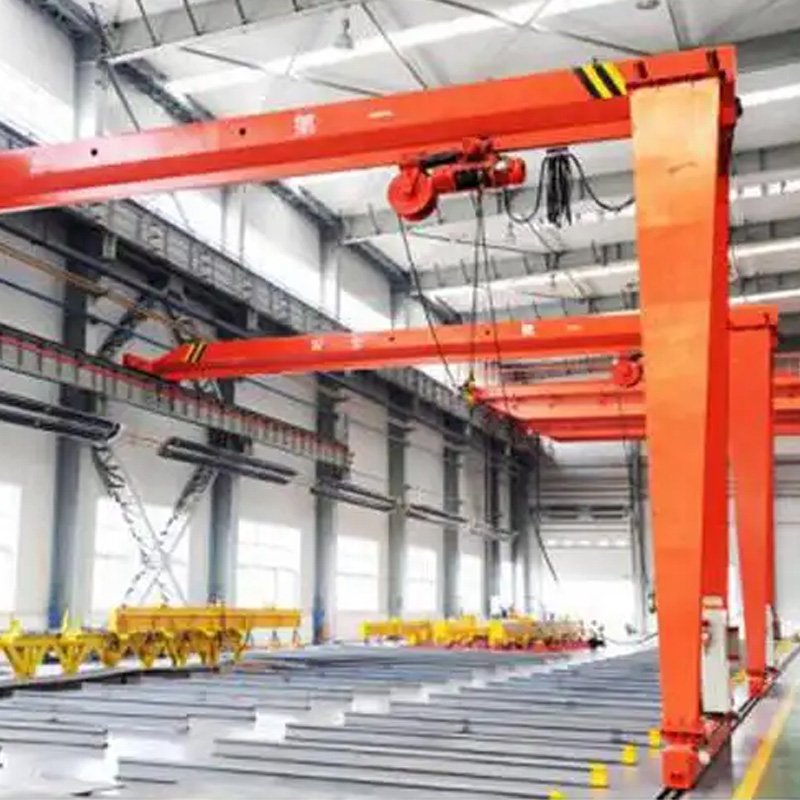
A traditional hoist typically refers to fixed or semi-fixed lifting systems, such as overhead cranes, gantry cranes, or stationary electric hoists.
These devices are installed on beams or rail systems and are built for heavy-duty and continuous operation in industrial settings.
Key Features:
- Rigid Structural Frame: Ensures stability under high load conditions.
- Rail or Beam Installation: Allows movement along a fixed path.
- Power Drive System: Uses electric or hydraulic mechanisms for lifting.
- Load Capacity: Can range from several tons to hundreds of tons.
Typical Industrial Applications:
- Steel and metallurgical industries
- Automotive assembly plants
- Shipbuilding and port operations
- Large-scale storage and logistics facilities
Overhead crane, traditional cranes offer superior load capacity and precision positioning but require higher installation and maintenance costs.
3. Structured Comparison: Portable and Foldable Hoist vs. Traditional Hoist
| Aspect | Portable and Foldable Hoist | Traditional Hoist |
|---|---|---|
| Installation | Freestanding, no fixed structure required | Fixed on beam or rail system |
| Load Range | Light to medium loads (0.5–3 tons) | Heavy loads (5 tons and above) |
| Space Requirement | Compact and foldable | Occupies more space |
| Mobility | Highly portable and easy to relocate | Limited to fixed working areas |
| Maintenance & Cost | Low maintenance, cost-effective | Higher maintenance cost |
| Safety Standards | Complies with ISO and OSHA light-lifting standards | Follows heavy lifting and industrial safety norms |
4. Application Scenarios
Common Applications of Portable and Foldable Hoist
- Mechanical Workshops: For lifting engines and medium-weight components.
- Warehousing and Logistics: Improves handling efficiency in confined areas.
- Construction Sites: Suitable for temporary lifting tasks in flexible setups.
- Maintenance and Service Operations: Enables quick assembly, disassembly, and mobility across different sites.
Common Applications of Traditional Hoist
- Manufacturing Lines: Heavy load handling in automated production systems.
- Steel and Mining Operations: Designed for continuous, high-intensity lifting.
- Shipbuilding and Port Logistics: Ideal for moving large components and containers.
- Automated Storage Systems: Works with smart controls for precision material handling.
These diverse scenarios illustrate the differences in load capacity, flexibility, and operational scale between portable and fixed lifting systems.
5. Key Factors Affecting Equipment Selection
When choosing between a portable and foldable hoist and a traditional hoist, several key factors should be carefully evaluated:
- Load Requirements: Define maximum lifting weight and operational frequency.
- Spatial Conditions: Consider whether mobility or compact storage is necessary.
- Operation Frequency: Portable systems are ideal for intermittent use, while traditional hoists support continuous heavy-duty work.
- Maintenance and Cost: As recommended by ISO 9927-1 — Cranes — Inspections — General, all cranes should undergo routine inspection for structural integrity, lubrication, and control mechanisms.
6. Conclusion
Both portable and foldable hoist and traditional hoist serve essential roles across industries.
The selection between the two depends on operational demands, workspace configuration, and long-term investment considerations.
Yonghao Crane, with over a decade of experience in crane manufacturing, provides comprehensive lifting solutions covering design, production, and global installation.
Our product range includes both portable lifting equipment and high-performance industrial cranes, all certified under international quality and safety standards.
For technical consultations or customized lifting solutions, please contact us at yonghaoqizhong@163.com.