Chinese (Simplified)
 Arabic
 Dutch
Dutch English
 French
 German
 Italian
 Portuguese
 Russian
 Spanish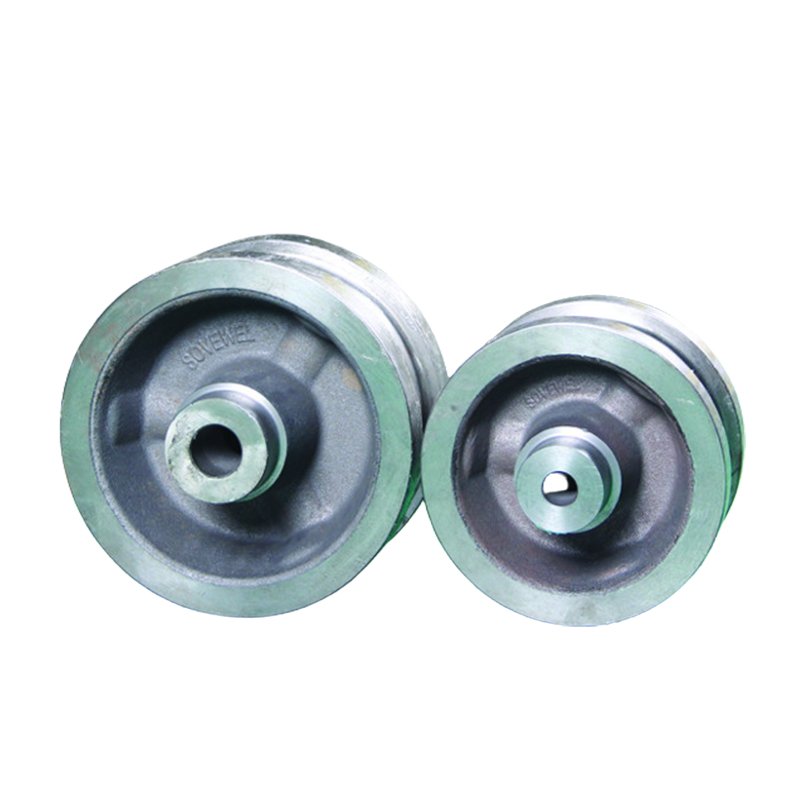
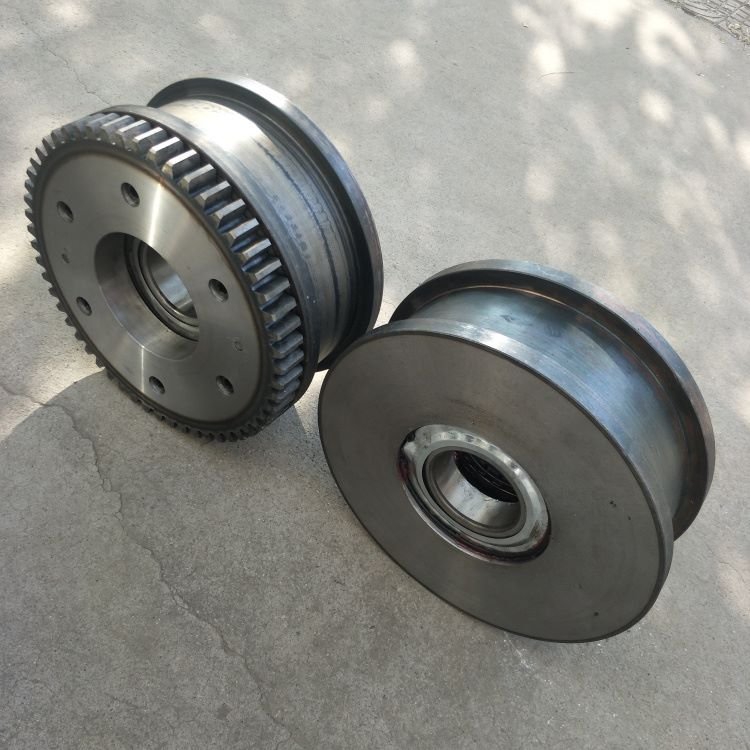
The crane wheel is a critical component of industrial lifting equipment, responsible for smooth movement along the rails and load support. Choosing the right crane wheel not only impacts safety, operational efficiency, and lifespan, but also affects maintenance costs and long-term ROI.
In industrial warehouses, manufacturing workshops, or port logistics, an incorrectly selected wheel can lead to accelerated rail wear, increased noise, higher accident risk, and unexpected downtime. Therefore, a systematic selection strategy is essential.
This guide covers requirement assessment, types and materials, performance factors, installation and maintenance, safety considerations, and practical applications, providing industrial users with a complete roadmap for crane wheel selection.
1. Assessing Industrial Lifting Requirements
1.1 Load Capacity
The primary factor in selecting a crane wheel is maximum lifting weight and average operational load. Recommended guidelines:
- Maximum lifting weight = planned load × safety factor (1.25–1.5)
- Wheel diameter and width must match the load: typically 100–200mm for light cranes, 250–400mm for medium to heavy cranes, and over 500mm for very heavy-duty cranes
- High-frequency operations require wheels with high wear resistance and load capacity
Example: An overhead crane with a maximum load of 20t uses steel wheels with a 350mm diameter and 100mm width, maintaining stable operation over several years.
1.2 Crane Type and Application
Different crane types require different wheel specifications:
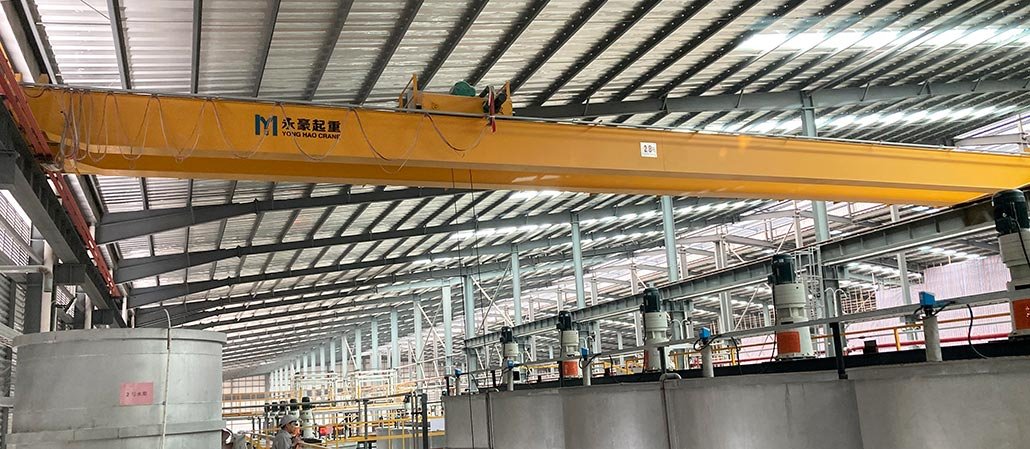
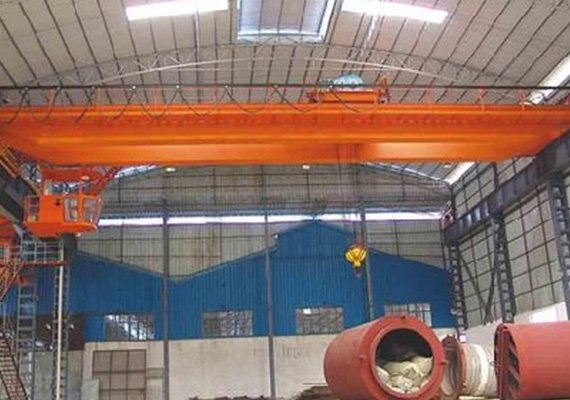
- Overhead cranes: Top-mounted rails, high load capacity, suitable for heavy industrial workshops
- Gantry cranes: Often used outdoors, requiring large-diameter, wear-resistant, and corrosion-resistant wheels
- Warehouse cranes: Light to medium loads, wheels should minimize noise and protect flooring
Recommendation: Determine crane type, load, and operating frequency before selecting wheel diameter, width, and material.
1.3 Operating Environment
Environmental conditions significantly affect material and design choices:
- Indoor vs. outdoor: Outdoor wheels must resist corrosion and moisture
- Rail type and surface condition: Uneven rails may require larger wheels or multi-wheel configurations
- Special conditions: High temperature, humidity, chemical exposure, or explosive environments require corrosion-resistant or heat-resistant materials
Example: In a chemical plant with high humidity, polyurethane-coated steel wheels extended wheel life by 30%.
2. Types and Materials of Crane Wheels
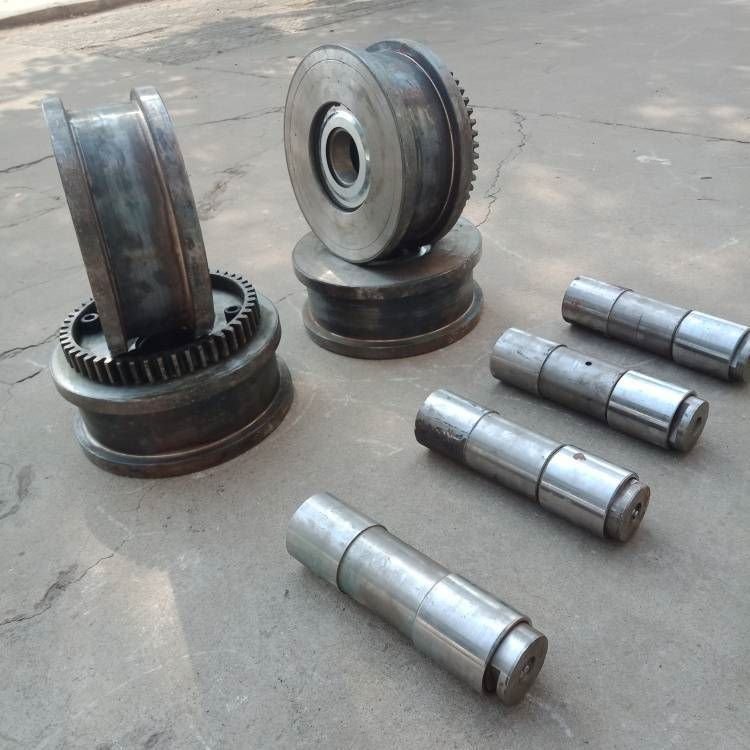
2.1 Steel Wheels
- Features: High load capacity, excellent wear resistance, long service life
- Applications: Heavy-duty cranes, industrial workshops, port operations
- Considerations: Higher noise, increased rail wear, regular lubrication and inspections are required
2.2 Cast Iron Wheels
- Features: Moderate load capacity, low cost, sturdy structure
- Applications: Small to medium cranes
- Considerations: Lower impact resistance, smooth rails are necessary
2.3 Nylon / Polyurethane Wheels
- Features: Low noise, vibration damping, protects flooring
- Applications: Light cranes or precision warehouse cranes
- Considerations: Limited load capacity and temperature resistance; evaluate based on actual workload
2.4 Wheel Design Considerations
- Diameter: Larger wheels provide better stability and load capacity
- Width: Wider wheels distribute load, improving stability
- Tread shape: Affects rail wear, rolling resistance, and noise
- Single vs. multi-wheel configuration: Multi-wheel designs increase stability and load distribution but require more space and cost
Reference: Heavy-duty cranes typically use single wheels rated 5–10t each, with multiple wheels supporting 20t or more.
3. Key Performance Factors for Crane Wheel Selection
3.1 Load Bearing and Durability
- Ensure wheels can withstand maximum loads and frequent operation
- Use high-strength steel, quality cast iron, or specialty composite materials
- Heat treatment enhances wear resistance and service life
Example: Heat-treated steel wheels on an overhead crane with 20 daily lifts can last over 10 years.
3.2 Noise and Vibration
- For indoor or noise-sensitive environments, use nylon or polyurethane wheels
- Material, wheel width, and tread design can reduce vibration
- Excessive vibration affects precision operations and rail longevity
3.3 Compatibility with Rails
- Rail type (I-beam or flat rail) dictates flange and tread design
- Proper wheel-to-rail matching improves smoothness and reduces wear
- Poor matching accelerates wheel and rail damage
3.4 Maintenance Requirements
- Lubrication: Steel and cast iron wheels need regular greasing
- Inspection: Check tread wear, cracks, and fasteners
- Replacement: Replace wheels exceeding wear limits to protect rails
- Brand advantage: Choosing a supplier with technical support and spare parts availability reduces downtime
4. Installation and Safety Considerations
- Ensure precise wheel alignment during installation
- Avoid off-center or overloaded operation
- Follow safety standards such as ISO 4301, CMAA, and local industrial codes
- High-frequency or heavy-duty operations may require redundant wheels for added safety
5. Application Scenarios and Case Studies
| Application | Wheel Type | Features | Outcome |
|---|---|---|---|
| Heavy-duty workshop cranes | Steel wheels | High load, wear-resistant | Improved stability, 20% fewer breakdowns |
| Warehouse light cranes | Nylon/Polyurethane wheels | Low noise, floor protection | 30% noise reduction, extended flooring life |
| Chemical plants | Polyurethane-coated steel wheels | Corrosion-resistant, anti-slip | 30% longer wheel life, extended maintenance interval |
Case Study: A warehouse overhead crane using appropriate wheels improved handling efficiency by 15%, reduced maintenance costs by 10%, and cut safety incidents by 50%.
6. Conclusion
Selecting the right crane wheel requires considering load, crane type, operating environment, material, rail compatibility, and maintenance requirements. Proper selection enhances safety, extends service life, and reduces long-term operational costs.
Ready to upgrade your industrial lifting operations? Contact Yonghao Crane today with your requirements, and our team will provide a tailored crane solution, including CAD drawings, specifications, and a quote. Email: yonghaoqizhong@163.com