Chinese (Simplified)
 Arabic
 Dutch
Dutch English
 French
 German
 Italian
 Portuguese
 Russian
 Spanish
In modern industrial production, efficient and safe material handling systems directly impact operational efficiency and cost management. The EOT crane, as a key type of overhead bridge crane, is widely used across industries such as manufacturing, metallurgy, automotive, shipbuilding, nuclear power, and chemical production due to its high load capacity, flexible operation, and customizable design.
This article provides a complete guide to EOT crane, covering design principles, essential components, typical applications, and maintenance strategies. It serves as an authoritative reference for engineers, plant managers, and prospective buyers seeking to make informed decisions.
1. What is an EOT Crane?
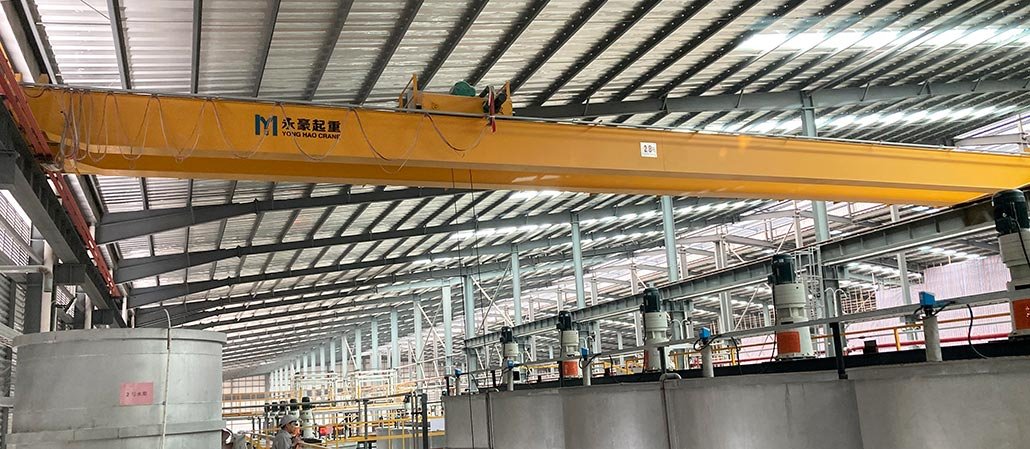
An EOT crane (Overhead Traveling Crane) is a bridge-type crane that moves along overhead rails, allowing heavy loads to be transported horizontally and vertically without occupying floor space.
- Single Girder vs. Double Girder (double girder eot crane)
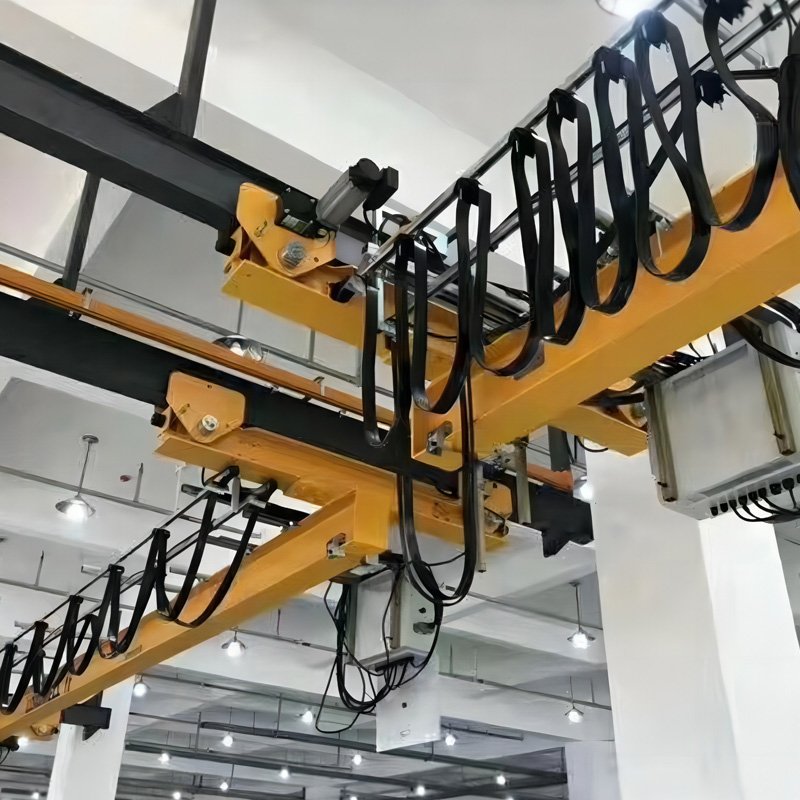
- Single girder EOT cranes are suitable for small to medium-sized workshops, featuring lighter structures and lower installation costs. Typical lifting capacities range from 5 to 20 tons.
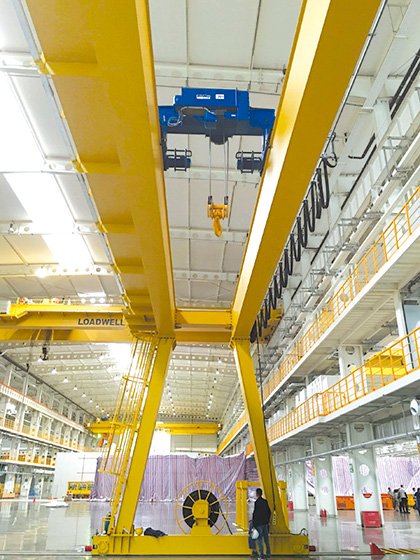
- Double girder EOT cranes handle heavier loads, often tens or hundreds of tons, and are ideal for large workshops. Their dual-beam design provides enhanced rigidity and allows larger hoists and attachments.
- Advantages
- Optimizes floor space utilization
- Improves material handling efficiency
- Provides high operational safety with precise load control
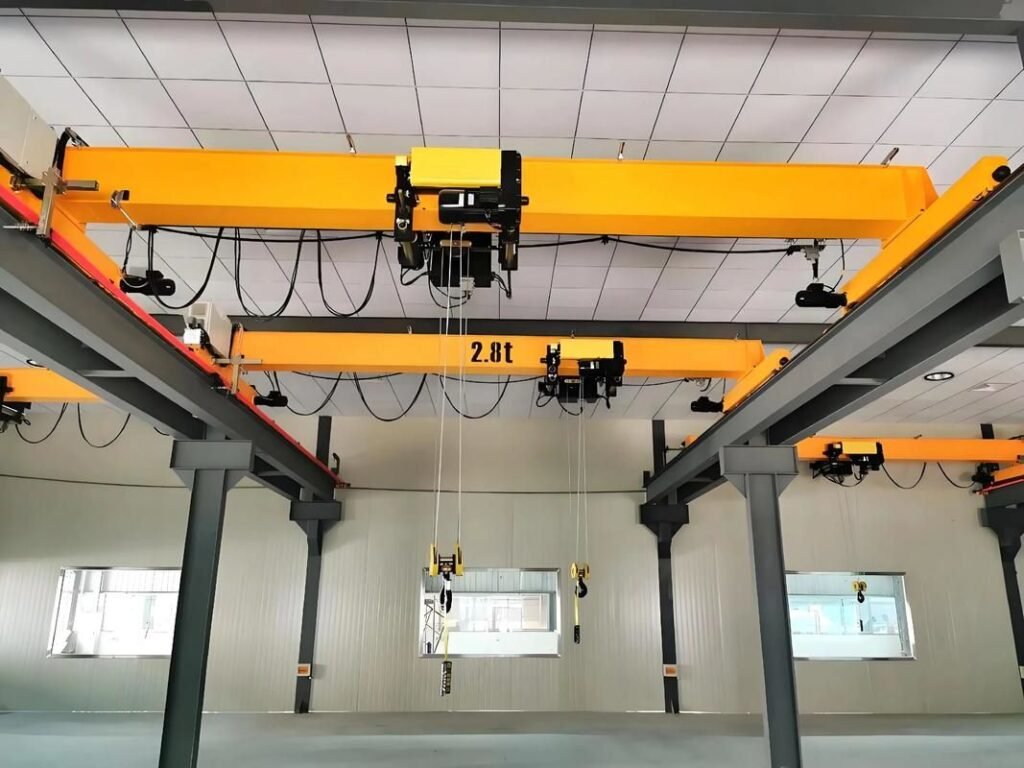
2. Key Components of an EOT Crane
Bridge and Gantry Structure
The crane structure, including the bridge and main girders, is the backbone of load-bearing.
- Single girder design suits lighter loads and smaller installations.
- Double girder EOT crane structure offers higher rigidity and stability, supporting heavier loads and longer spans (typically over 20 meters).
- Bridge and rail design must account for dynamic loads, wind resistance, and long-term fatigue life.
Hoist Mechanism
The electric hoist is the core lifting component of an EOT crane, often equipped with hardened gear reducers, high-strength wire ropes, and disc brakes.
- Key performance indicators include maximum load, lifting speed, lifting height, and motor power.
- Advanced cranes may use variable frequency drives (VFD) for smooth acceleration, energy efficiency, and extended service life.
Trolley System
The trolley moves along the bridge to transport loads horizontally.
- Precision alignment with the bridge ensures stable load movement.
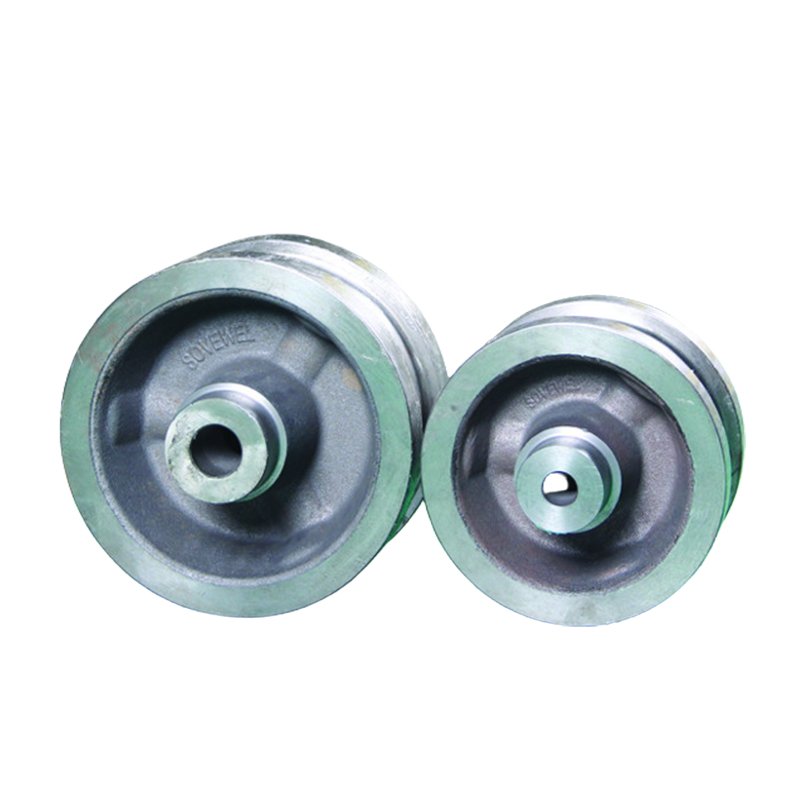
- High-performance trolleys feature roller guides, anti-collision buffers, and precise braking systems.
Control and Smart Systems
Modern EOT cranes may employ PLC control, wireless remote control, pendant push-button, or floor-mounted control stations.
- Functions include lifting, lowering, bridge movement, limit protection, overload protection, and alarms.
- High-end cranes can offer automatic load monitoring, remote diagnostics, and data recording, supporting operational decision-making.
Safety Devices
- Common safety features include limit switches, overload protection devices, emergency stop buttons, and buffers.
- Safety devices are especially critical for double girder eot crane and heavy-duty operations to protect both personnel and equipment.
3. Design Considerations
- Workshop layout: Properly plan bridge and rail placement based on workshop span and height.
- Load calculations: Consider lifting capacity, operating speed, and dynamic bridge loads.
- Environmental factors: Temperature, humidity, corrosion, and dust conditions.
- Maintenance convenience: Design for easy replacement of wear components and routine inspections.
- Service life: Use high-strength steel, optimized welding, and structural design to ensure long-term stability.
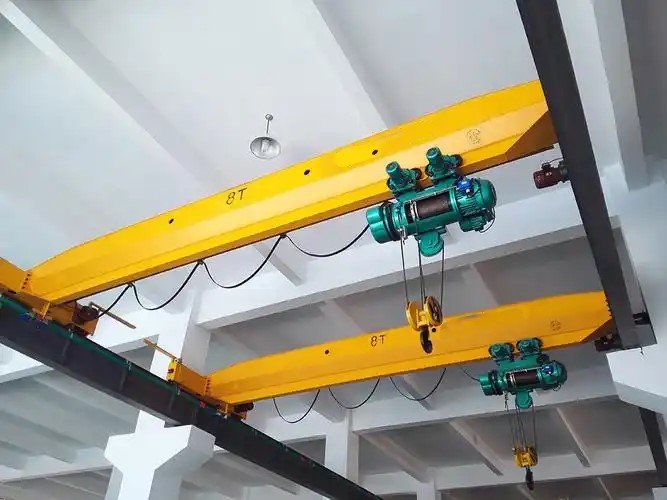
4. Applications
- Manufacturing: Assembly lines, machining workshops, and automated production.
- Logistics and warehousing: Material handling, stacking, and sorting.
- Heavy industry: Metallurgy, shipbuilding, automotive manufacturing, and nuclear equipment handling.
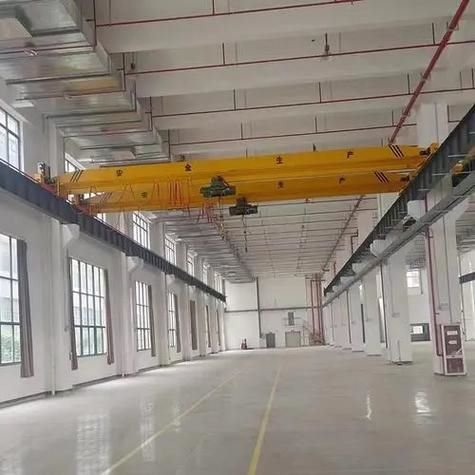
- Advantages of double girder eot crane: Ideal for ultra-heavy loads and large-span workshops, providing stable operation and high safety for lifting steel plates, heavy machinery, and oversized containers.
5. Maintenance and Operational Tips
- Daily inspections: Check wire rope wear, brake system, track alignment, and electrical connections.
- Critical component maintenance: Regularly lubricate gears, inspect hoist and trolley systems, and listen for unusual noises.
- Troubleshooting: Address electrical issues, brake malfunctions, and bridge misalignment promptly to avoid production downtime.
6. Conclusion
EOT cranes are indispensable in modern industrial production. Selecting the appropriate type (single girder or double girder eot crane), optimizing structural design, and performing proper maintenance are key to safe and efficient operation. Professional solutions not only improve productivity but also extend equipment lifespan, delivering long-term value for enterprises. Email: yonghaoqizhong@163.com