Chinese (Simplified)
 Arabic
 Dutch
Dutch English
 French
 German
 Italian
 Portuguese
 Russian
 Spanish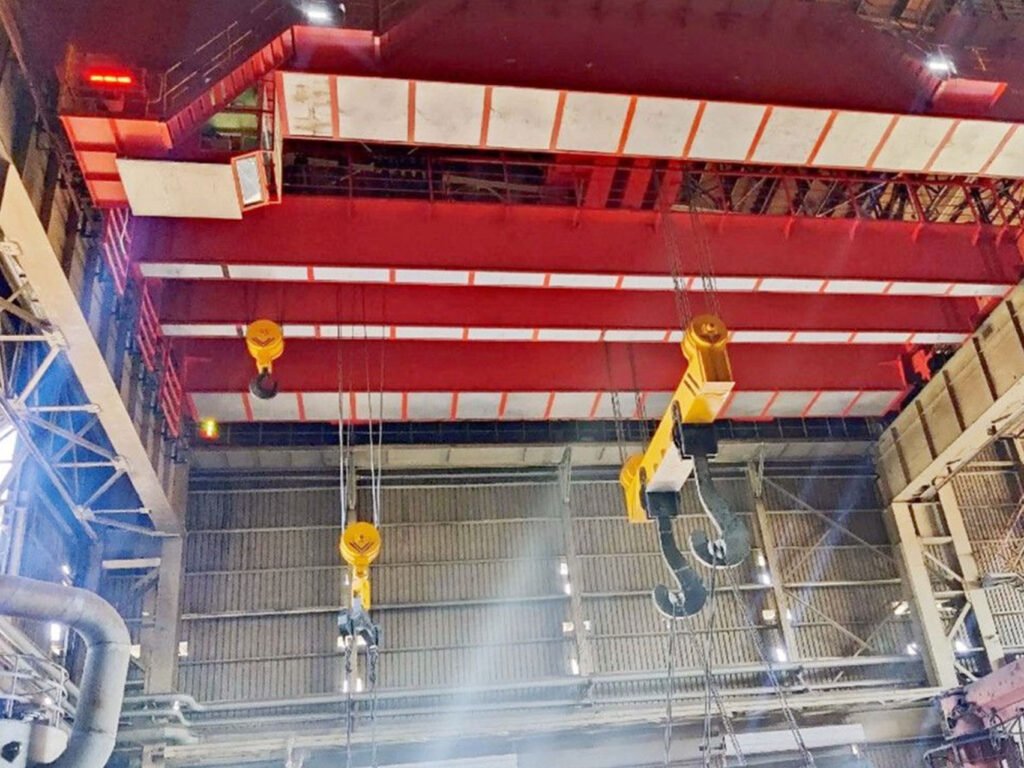
Cranes are essential equipment in modern industries. From simple lifting devices in ancient times to the high-tech cranes we see today, the evolution of crane machine history has laid the foundation for the development of various sectors. Cranes play a vital role in industries such as construction, manufacturing, and port operations by enhancing production efficiency, reducing labor intensity, and ensuring safety.
This article will explore the evolution of crane machines and their impact on the industrial landscape. We will also discuss how modern cranes are driving innovation, particularly in work efficiency and environmental impact reduction.
1. Ancient Lifting Devices: The Earliest Crane Technologies
The origins of crane machine history can be traced back to ancient civilizations, particularly in Egypt and Greece. The Egyptians used simple pulley systems and levers to lift heavy stones for the pyramids. This early technology was refined in Greece and Rome.
- Ancient Egyptian and Greek Lifting Devices: The Egyptians used levers and pulleys for lifting materials, laying the foundation for future advancements.
- Roman Crane Technologies: The Romans introduced water-powered cranes, making lifting more efficient without excessive manpower.
These devices laid the groundwork for future technological advancements.
2. Medieval Crane Advances: From Manual to Mechanical
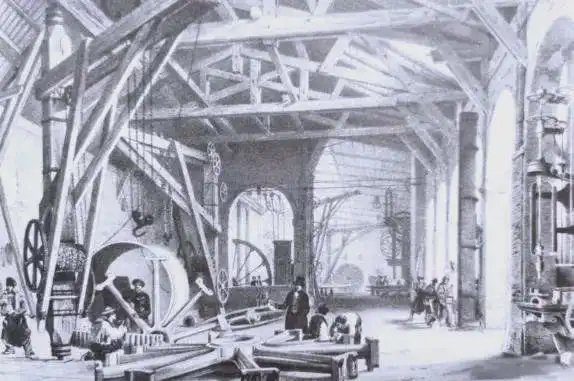
During the medieval period, crane technology progressed, especially for large-scale projects like cathedrals and castles. Waterwheels and windmills replaced manual labor, providing mechanical power for lifting.
- Waterwheel and Windmill-Powered Cranes: These systems used natural resources to power cranes, allowing larger projects to be completed.
- Early Standardization of Crane Design: As construction needs grew, crane designs became more standardized, improving efficiency and stability.
These advances made large-scale construction projects more efficient and reliable.
3. Industrial Revolution: The Birth of Steam-Powered Cranes
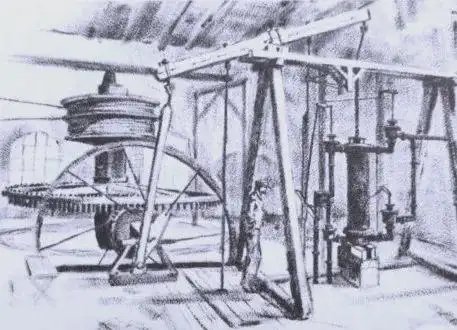
The Industrial Revolution brought steam-powered cranes. Steam engines allowed cranes to handle heavier loads and work more efficiently than previous models.
- Innovation of Steam-Powered Cranes: Steam power revolutionized crane capabilities, enabling them to handle heavier and more complex tasks.
- Technical Advantages: Steam-powered cranes increased lifting capacity and completed jobs faster than manual or water-powered systems.
Steam cranes played a pivotal role in industries like construction, ports, and mining during the industrial age.
4. 20th Century Electric Cranes: Automation and Efficiency
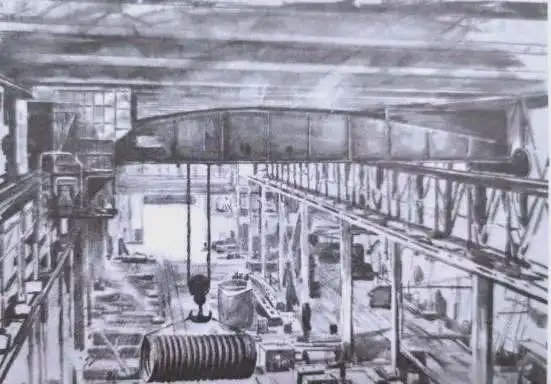
In the early 20th century, with the widespread use of electricity, electric cranes began to replace steam-powered ones. The introduction of electric cranes marked a new era of automation and efficiency in crane machine history.
- The Rise of Electric Cranes: Electric cranes increased precision and lifted heavier loads, making work faster and more efficient.
- Introduction of Automation: Remote controls and electric drive systems made cranes safer and easier to operate.
Electric cranes transformed the construction, manufacturing, and logistics industries by improving efficiency.
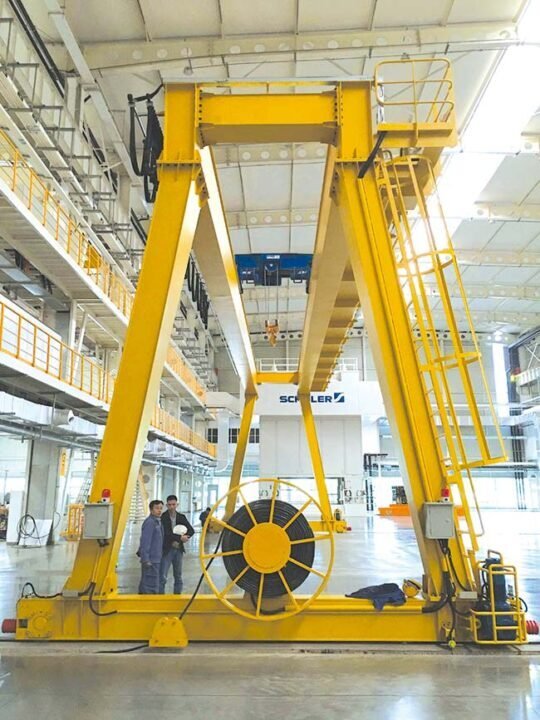
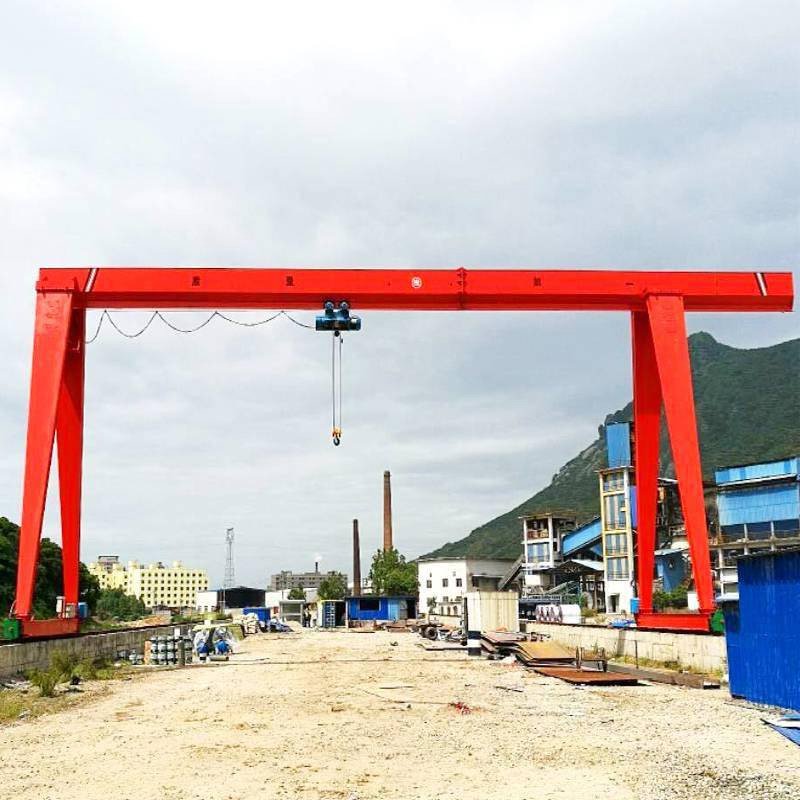
5. Modern Cranes: From Single Girder to Double Girder, a Technological Leap
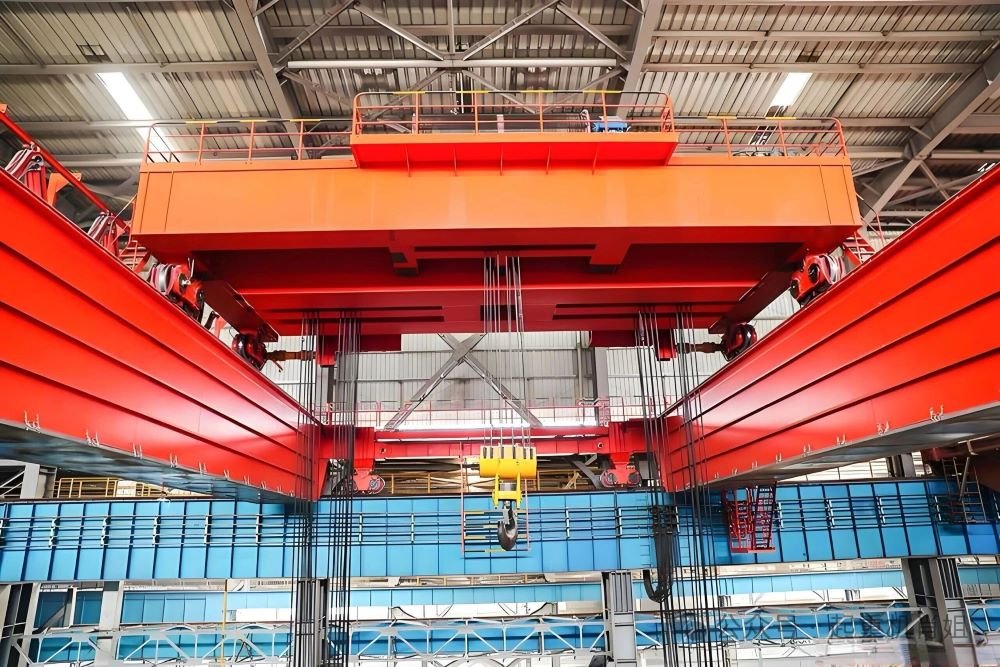
In the 21st century, cranes have evolved further in terms of lifting capacity, design, and automation. The development of double girder cranes addresses the need for greater load handling and larger spans.
- Innovation of Double Girder Cranes: Double girder cranes offer better stability and efficiency for precise operations in industrial settings with heavy loads.
- Intelligent and Digital Control: Modern cranes use digital systems, sensors, and monitoring technologies to operate more precisely and safely.
- Future Trends: With growing environmental concerns, cranes are moving toward intelligent, energy-efficient, and modular designs.
The emergence of double girder cranes marks a significant leap in crane technology.
6. Conclusion
The evolution of crane technology showcases human ingenuity and has significantly impacted the construction and manufacturing industries. From simple manual devices to modern digital cranes, each technological leap has changed how lifting tasks are performed.
At Yonghao Crane, we are committed to delivering high-performance crane solutions backed by over a decade of expertise in the industry. Our advanced technology, rigorous design processes, and global service network ensure that our cranes meet the highest standards of reliability and efficiency.
Contact us now to learn how Yonghao Crane can provide you with the most reliable and efficient lifting solutions, tailored to your specific needs.
Phone/WhatsApp/Wechat: +86-13751538898
Email: yonghaoqizhong@163.com