Chinese (Simplified)
 Arabic
 Dutch
Dutch English
 French
 German
 Italian
 Portuguese
 Russian
 Spanish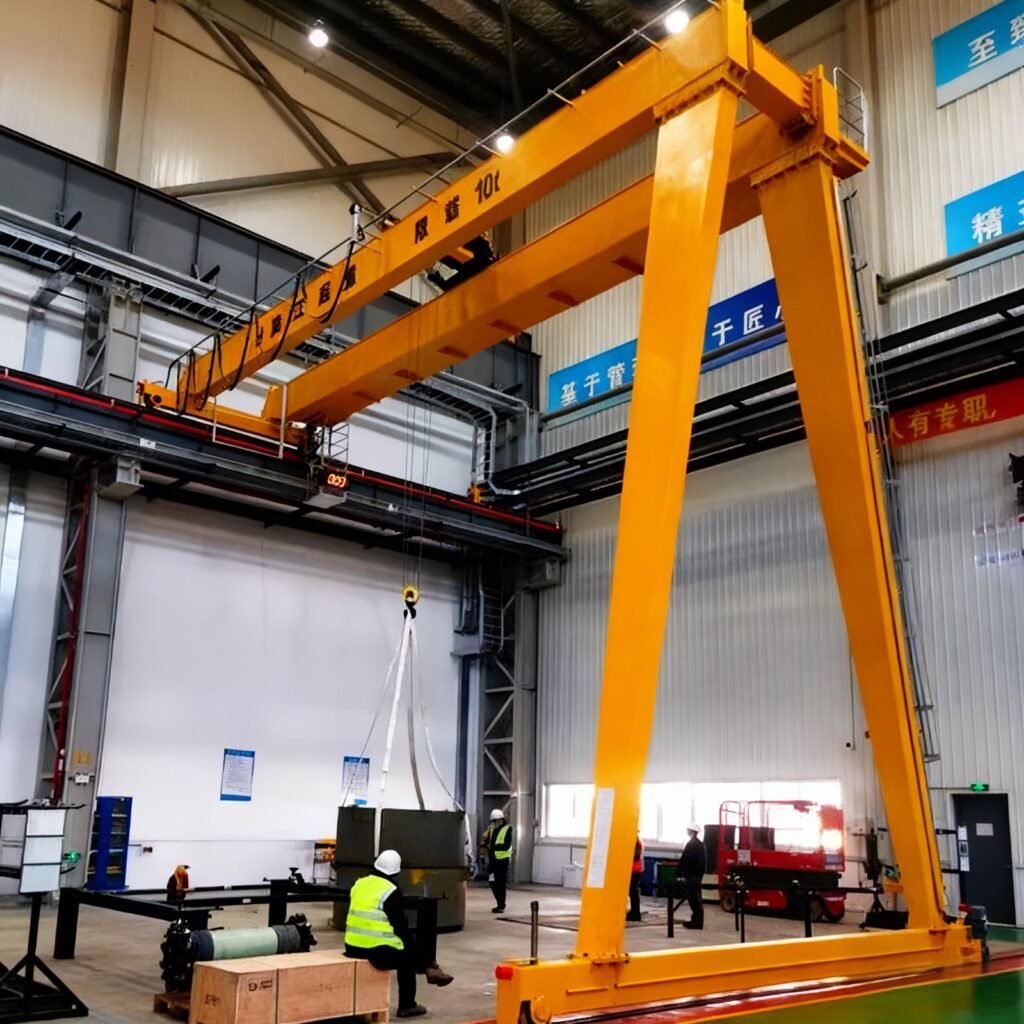
When people search for equipment for cranes, they are usually not looking for a generic definition. Instead, they want clear answers to practical questions such as:
- Which crane components need replacement?
- What equipment is critical for safe operation?
- How should equipment differ by industry?
- How can I avoid purchasing the wrong parts?
This guide focuses on solving those real-world concerns with practical, experience-based insights.
1. What Is Included in Equipment for Cranes?
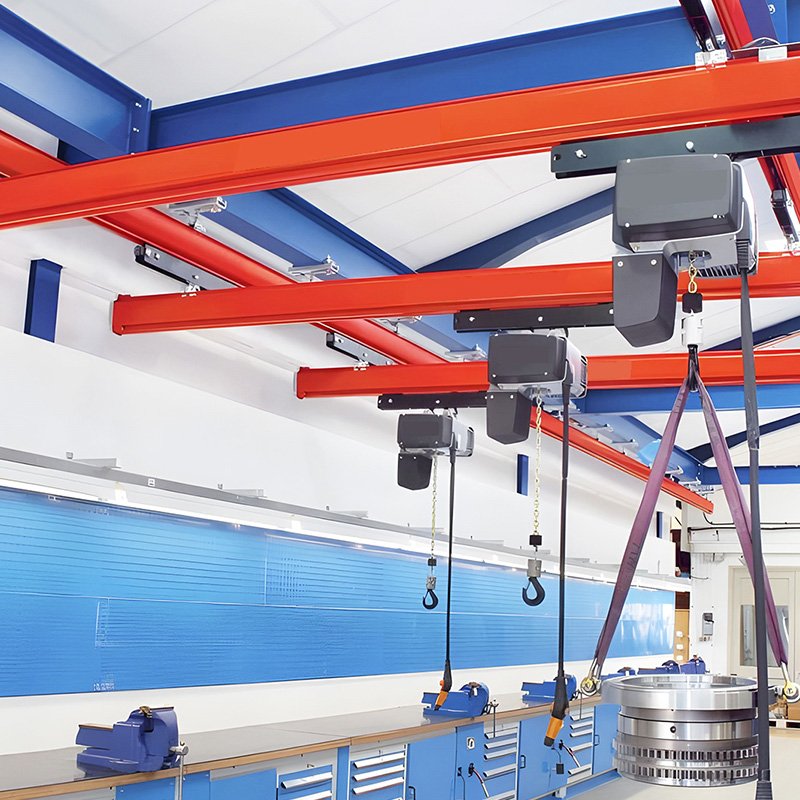
From an engineering perspective, equipment for cranes typically consists of five core systems:
| System | Required? | Primary Function |
|---|---|---|
| Hoisting System | Yes | Vertical lifting of loads |
| Traveling System | Depends on crane type | Horizontal movement |
| Structural System | Yes | Load-bearing support |
| Electrical System | Yes | Power supply and control |
| Safety Protection System | Yes | Prevent accidents and overload |
If any of these systems are missing or improperly configured, safe crane operation cannot be guaranteed.
2. The Most Critical Equipment for Cranes
Based on common industrial failure cases—often related to overload, braking failure, or electrical malfunction—the following components deserve special attention.
2.1 Hoisting Mechanism
This system typically includes:
- Electric hoist or winch
- Wire rope or lifting chain
- Drum assembly
- Brake system
Common Question:
How often should wire ropes be replaced?
Replacement is generally recommended when:
- Visible broken wires appear
- Diameter wear exceeds 7%–10%
- Crushing, kinking, or deformation is observed
Ignoring these signs can lead to serious safety hazards.
2.2 Brake System
Brake failure is one of the highest-risk crane issues.
Routine inspection should verify:
- Adequate braking force
- Brake pad wear condition
- Response time
For high-duty applications, inspection every six months is recommended.
2.3 Overload Protection Device
An overload protection device is mandatory for industrial cranes.
Its function:
- Continuously monitors load weight
- Triggers alarm or power cutoff when exceeding rated capacity
Operating without this system significantly increases accident risk.
3. Equipment Differences by Crane Type
Not all cranes require identical configurations. Understanding these differences prevents costly selection mistakes.
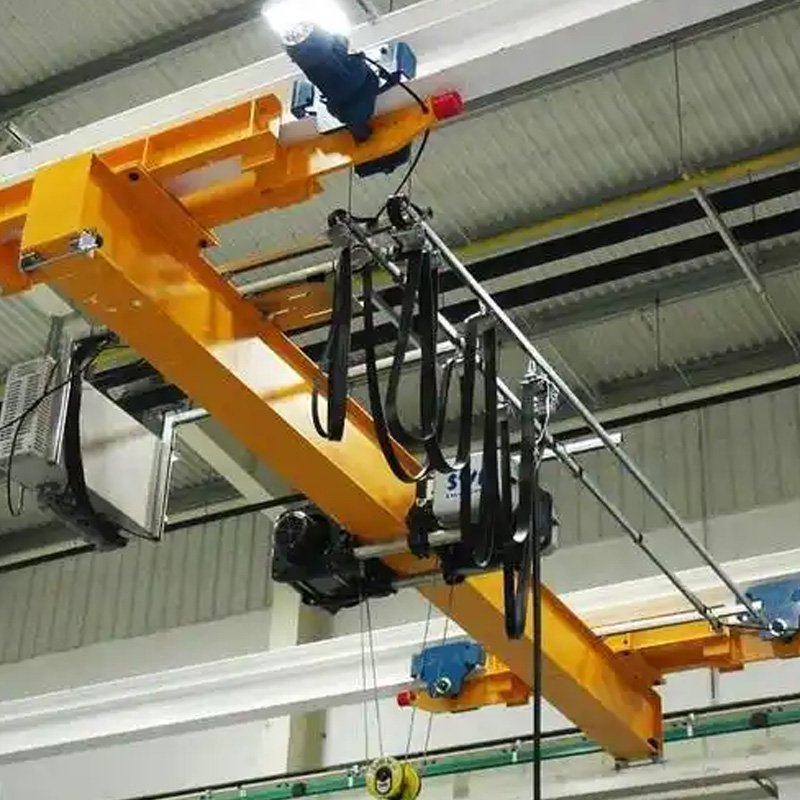
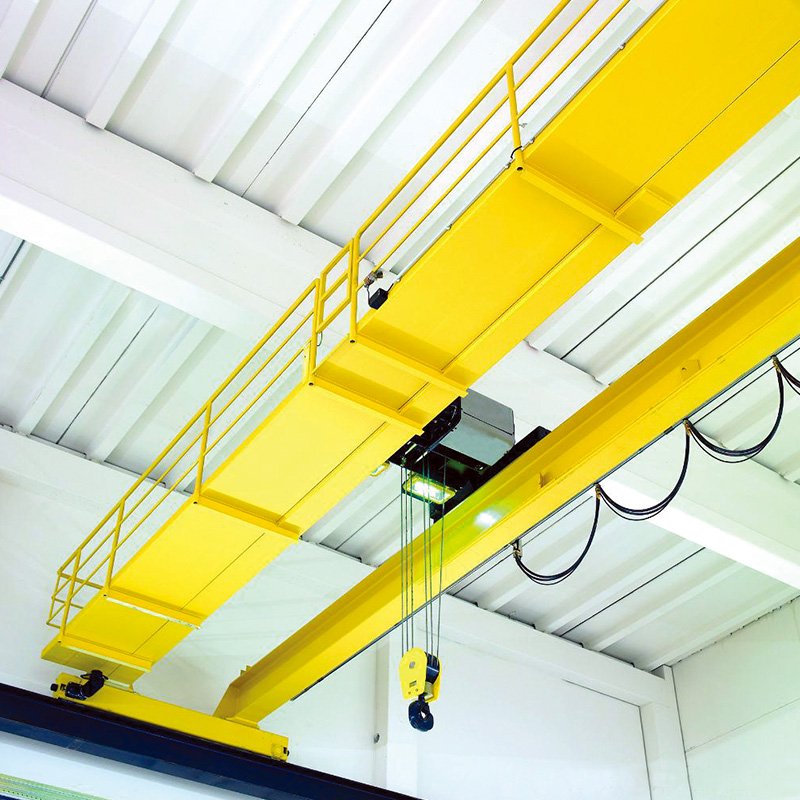
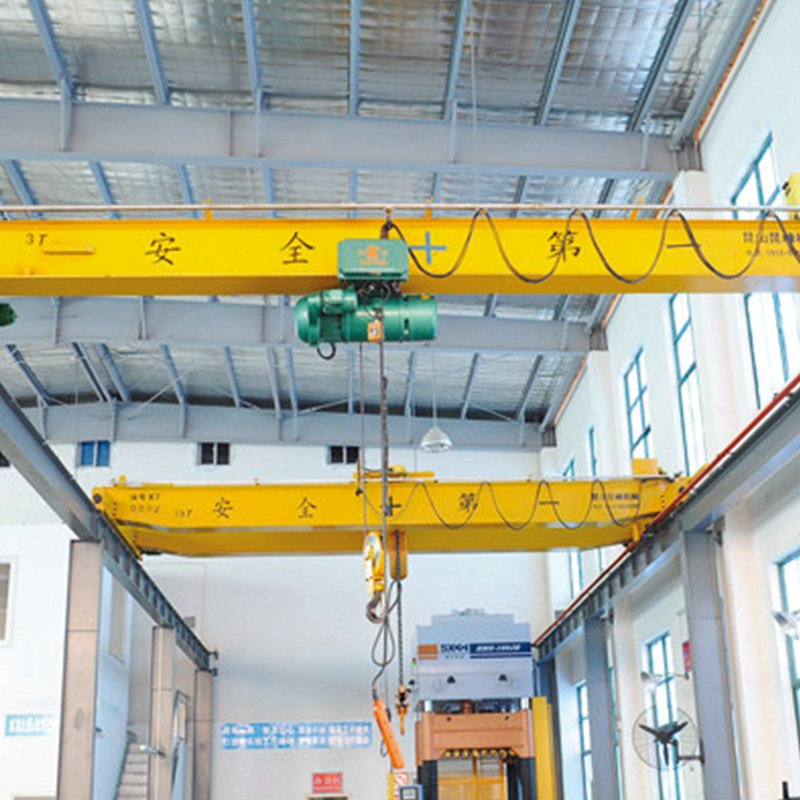
3.1 Overhead Crane
Key equipment focus areas:
- End trucks
- Rail alignment
- Conductor bar or power supply system
Proper rail alignment reduces wheel wear and improves operational stability.
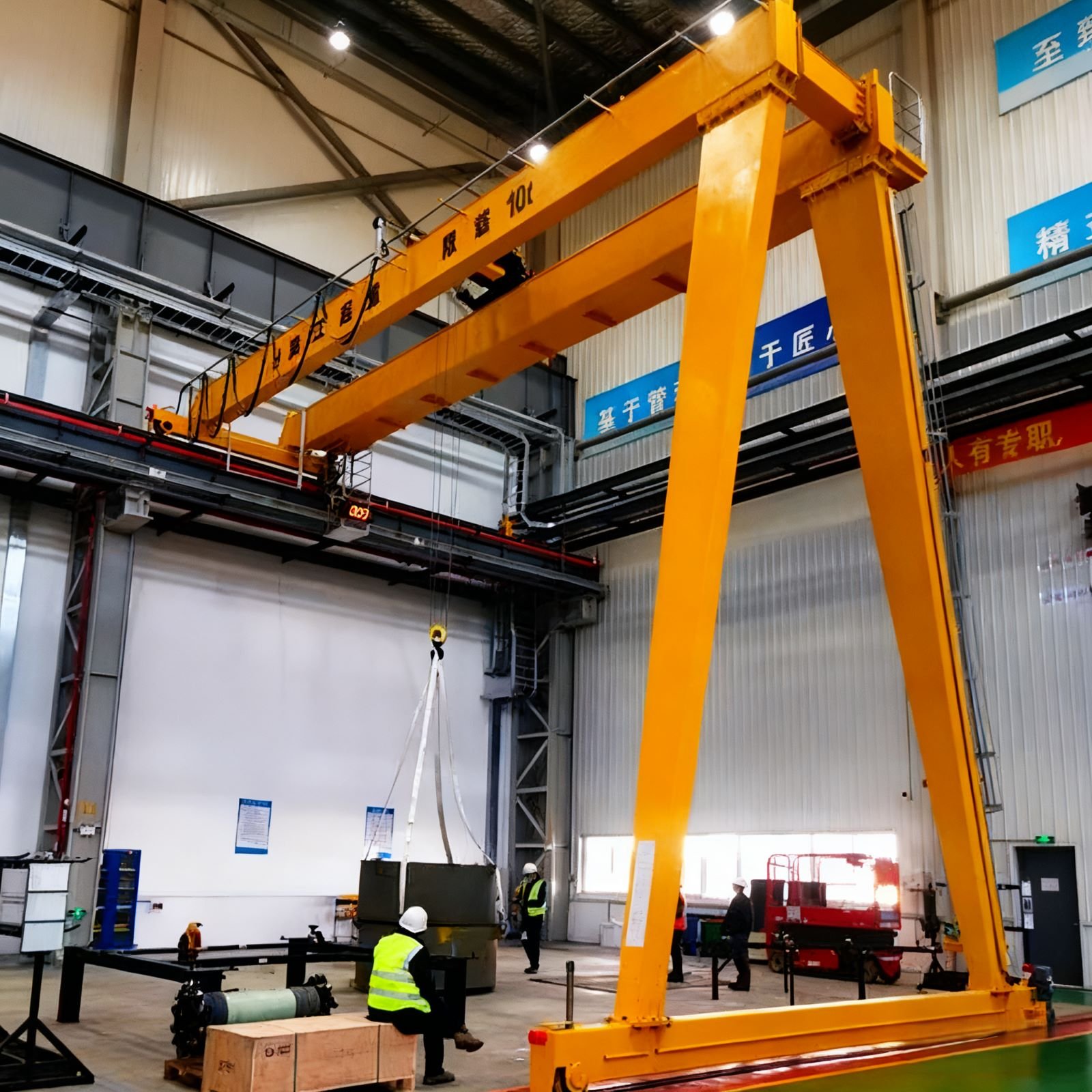
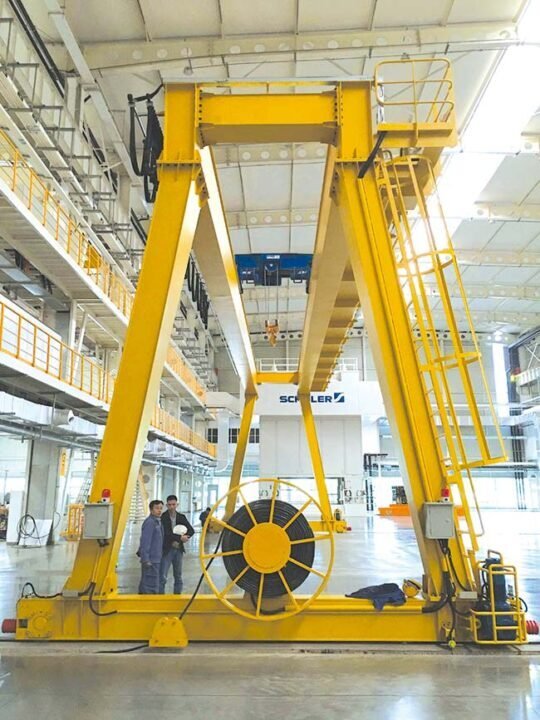
3.2 Gantry Crane
Since gantry cranes often operate outdoors, consider:
- Corrosion protection systems
- Wind resistance devices
- Rail clamps
Environmental exposure significantly impacts equipment durability.
3.3 Jib Crane
Critical equipment includes:
- Column structural stability
- Anchor bolt integrity
- Slewing bearing condition
Foundation strength is particularly important for floor-mounted jib cranes.
4. When Should Equipment for Cranes Be Replaced?
This is one of the most common buyer concerns.
4.1 Structural Warning Signs
- Cracks in the main girder
- Deflection exceeding design limits
4.2 Operational Abnormalities
- Increased noise
- Excessive vibration
- Harsh starting or stopping impact
4.3 Electrical Issues
- Control malfunction
- Motor overheating
- Frequent circuit breaker trips
If these symptoms appear, affected equipment for cranes should be evaluated immediately.
5. How to Choose the Right Equipment for Cranes
Proper selection should consider four key factors.
5.1 Duty Classification
According to ISO or FEM standards:
- Light duty (A3)
- Medium duty (A4–A5)
- Heavy duty (A6 and above)
High-cycle operations require higher-duty equipment.
5.2 Industry Environment
| Industry | Recommended Equipment Focus |
|---|---|
| Steel Mills | Heat-resistant motors, heavy-duty brakes |
| Ports | Anti-corrosion treatment, wind protection |
| Warehousing | Variable frequency drives, precise positioning |
Environmental conditions directly affect equipment lifespan.
5.3 Smart Upgrade Requirements
Modern equipment for cranes may include:
- Anti-sway systems
- Load monitoring systems
- PLC automation
- Remote diagnostics
These technologies reduce operator error and improve productivity.
5.4 Spare Parts and Technical Support
Before purchasing, confirm:
- Spare parts availability
- Technical documentation support
- International shipping capability
Reliable after-sales support ensures long-term operational stability.

6. Common Purchasing Mistakes
Avoid these frequent errors:
- Choosing based on price alone
- Ignoring duty classification
- Overlooking environmental impact
- Failing to consider future upgrades
Incorrect equipment selection often results in higher long-term costs than initial savings.
7. Practical Engineering Recommendations
Based on years of crane manufacturing and system integration experience, we recommend:
- Conduct a detailed working condition analysis
- Select core equipment for cranes accordingly
- Verify compliance with safety and international standards
Every project should be engineered based on real operating conditions—not generic configurations.
Conclusion
Equipment for cranes is not simply a collection of spare parts. It is an integrated system that directly affects safety, efficiency, and service life.
Whether you are:
- Upgrading existing crane systems
- Replacing critical components
- Designing a new facility
You should evaluate:
- Lifting capacity and frequency
- Environmental conditions
- Installation layout
- Safety compliance requirements
A systematic approach to equipment selection helps prevent costly mistakes and ensures reliable long-term operation.
For detailed specifications, expert guidance, or a customized quotation for your equipment for cranes, feel free to contact our engineering team at yonghaoqizhong@163.com — we’re ready to support your project with reliable and professional solutions.