Chinese (Simplified)
 Arabic
 Dutch
Dutch English
 French
 German
 Italian
 Portuguese
 Russian
 Spanish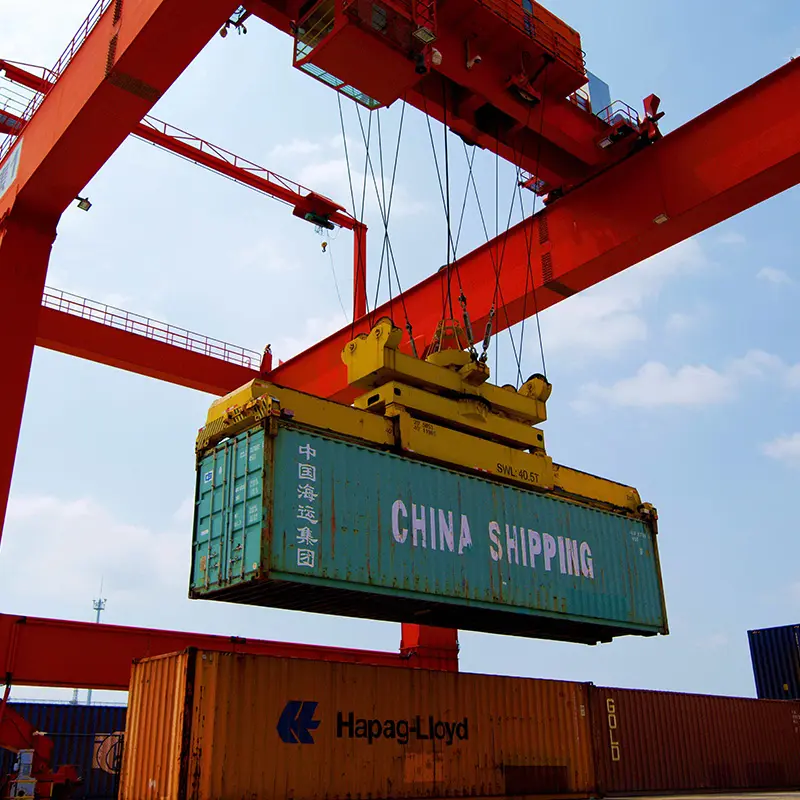
In the field of material handling, many people confuse winch and hoist. They may look similar, both can have drums or chains, and both can be driven electrically or manually. However, their intended functions and safety standards are completely different. Correctly distinguishing the two is critical for ensuring operational safety and improving production efficiency. This article will clearly explain the differences and help you choose the right equipment based on actual conditions.
1. Definition and Core Function of a Winch
Main purpose of a winch
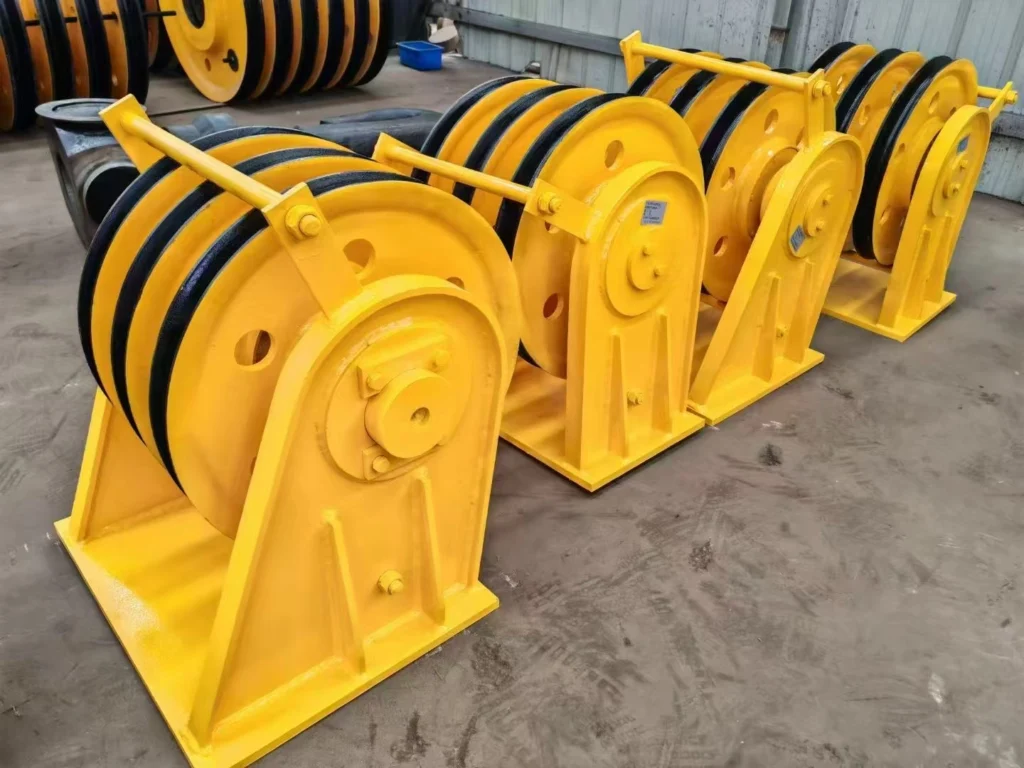
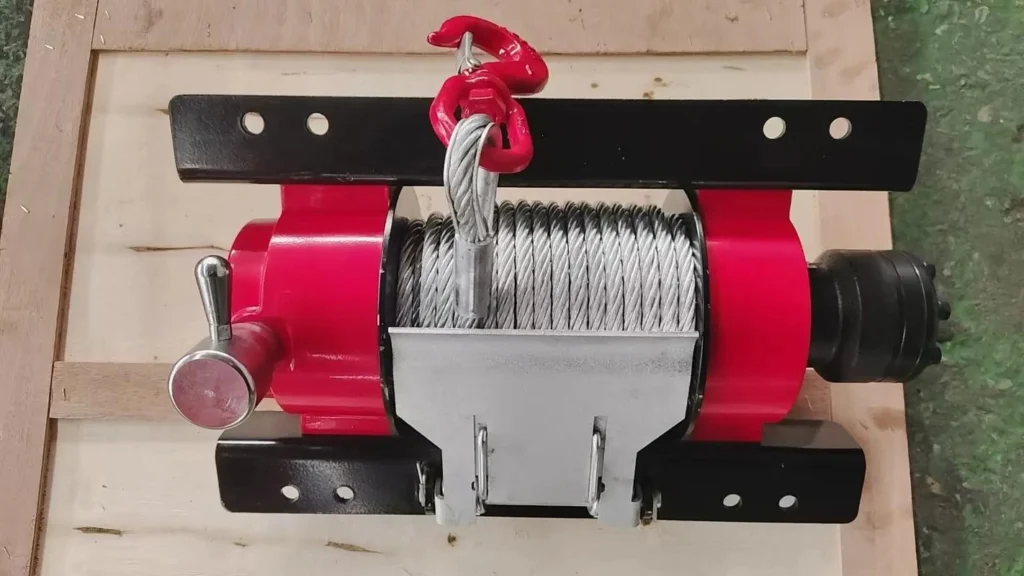
A winch is used for horizontal pulling or dragging of loads, for example vehicle recovery, pulling cargo, or adjusting equipment position. It is not intended to keep loads suspended for long periods.
Basic structure of a winch
Common structures include
- Drive method: manual crank or electric
- Drum: for spooling wire rope
- Rope system: steel wire rope or high strength synthetic rope
- Control system: buttons or remote control
The main performance metric of a winch is pulling force, not vertical lifting capability.
Typical application areas for winches
- Marine mooring and maritime operations
- Off-road vehicle recovery
- Equipment positioning and traction
- Scenarios that require temporary load movement
2. Definition and Core Function of a Hoist
Main lifting direction of a hoist
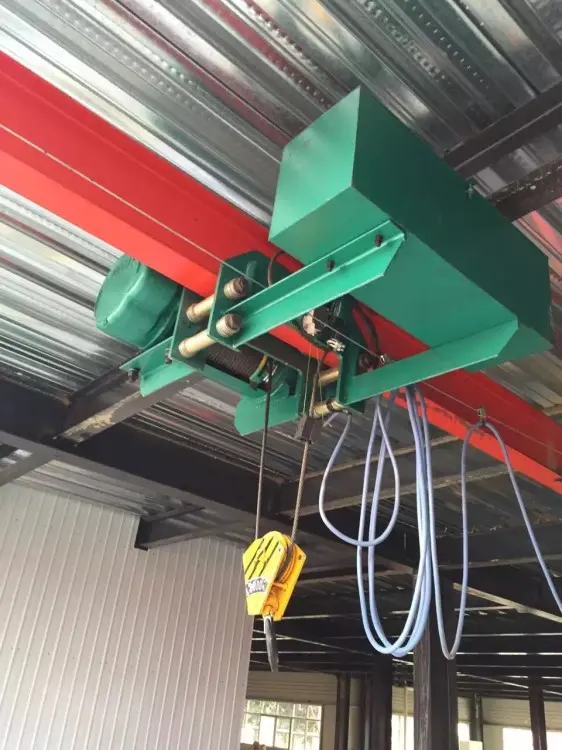
A hoist is specifically used for vertical lifting or lowering of loads, and it has the ability to safely suspend loads. It is an indispensable device in industrial lifting.
Core components of a hoist
- Motor and reduction system: provide stable lifting power
- Brake: ensure the load can be safely held in case of power loss or stop
- Chain or wire rope: carry vertical loads
- Limit protection system: prevent overwinding or overtravel
Compared with a winch, a hoist has significantly higher safety and load standards.
Industry scenarios where hoists are used
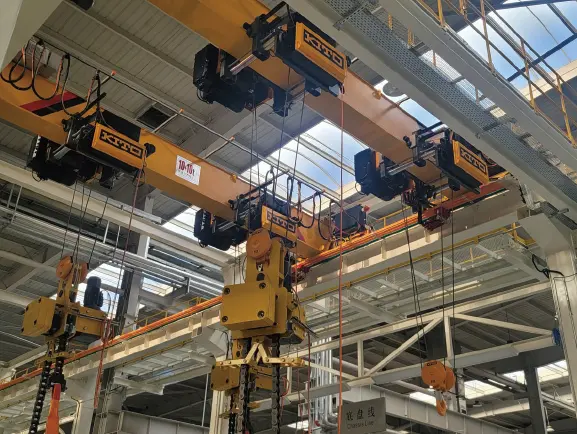
- Factory production lines
- Warehouse logistics
- Construction
- Aircraft and automotive maintenance shops
- Various vertical material transport tasks
3. Key Comparison Table: Winch and Hoist
| Comparison Factor | Winch | Hoist |
|---|---|---|
| Main function | Horizontal pulling and moving | Vertical lifting and suspending loads |
| Braking requirement | Optional | Mandatory and critical |
| Designed for suspended long-term load | No | Yes |
| Applicable risk level | Lower risk scenarios | Higher safety requirement scenarios |
| Typical industries | Vehicle recovery, maritime | Manufacturing, warehousing, construction |
Conclusion: Use a Hoist when you need lifting. Use a Winch when you need horizontal pulling.
4. Why You Must Not Use a Winch Instead of a Hoist
Using the wrong equipment is a major cause of industrial accidents. Main risks include
- No safety braking design → Load can fall suddenly
- Not built for suspension → Wire rope can slip off or break
- No overload protection → Cannot guarantee the safety of personnel and equipment
Most countries prohibit misuse by regulation, and it may cause liability and downtime losses.
5. How to Determine If Your Operation Needs a Winch or a Hoist
You must clarify the following before choosing:
| Decision Question | If the answer is “Yes” | Choose |
|---|---|---|
| Do you need to lift or lower loads? | ✔ | Hoist |
| Do loads need to be suspended for a period? | ✔ | Hoist |
| Is the main action horizontal movement? | ✔ | Winch |
| Are braking and safety required? | ✔ | Hoist |
| Is the site high-risk? | ✔ | Hoist |
Also consider
- Load weight
- Lifting height or pulling distance
- Usage frequency and working environment
- Installation space and power supply
Define the working conditions first, then choose the equipment is the safest approach.
6. Yonghao Crane Provides Professional Winch and Hoist Solutions
As a national high-tech enterprise with 20+ technical patents, Yonghao Crane offers:
- Professional selection services for winch and hoist
- CAD engineering drawings and parameter plans
- Customized profiles, drive types, and control systems
- High-grade safety configurations including limit switches, brakes, and overload protection
- Global installation and after-sales technical support
You only need to provide site photos, videos, and application requirements, and we will quickly deliver the most suitable lifting solution.
7. Summary
- Winch: horizontal pulling, not for suspension
- Hoist: vertical lifting, requires high safety standards
- Using the wrong device can cause serious safety risks
- Correct selection must be based on the load direction and safety needs
If you are still unsure which device to choose
Contact our engineering team and we will provide professional advice and a tailored solution. Email: yonghaoqizhong@163.com