Chinese (Simplified)
 Arabic
 Dutch
Dutch English
 French
 German
 Italian
 Portuguese
 Russian
 Spanish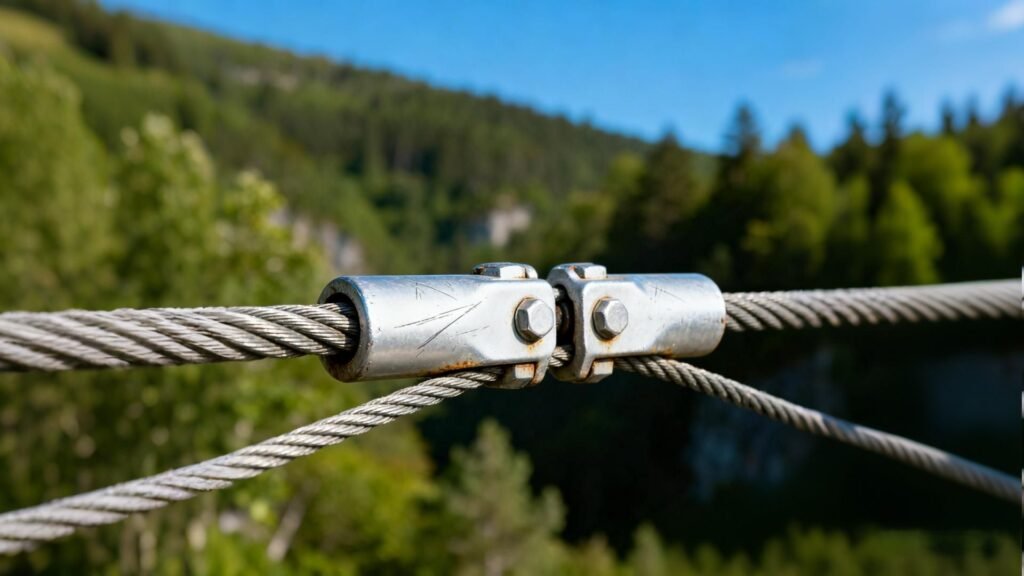
In today’s industrial world, wire rope plays a critical role in handling, lifting, and supporting loads. Whether in construction, mining, transportation, metallurgy, or marine engineering, wire rope serves as a vital component that ensures strength, precision, and safety.
Compared with traditional steel cable or metal rope, modern wire ropes provide superior tensile strength, flexibility, and fatigue resistance—making them ideal for heavy-duty equipment such as cranes, hoists, elevators, bridges, and port machinery.
What Is Wire Rope? Basic Definition
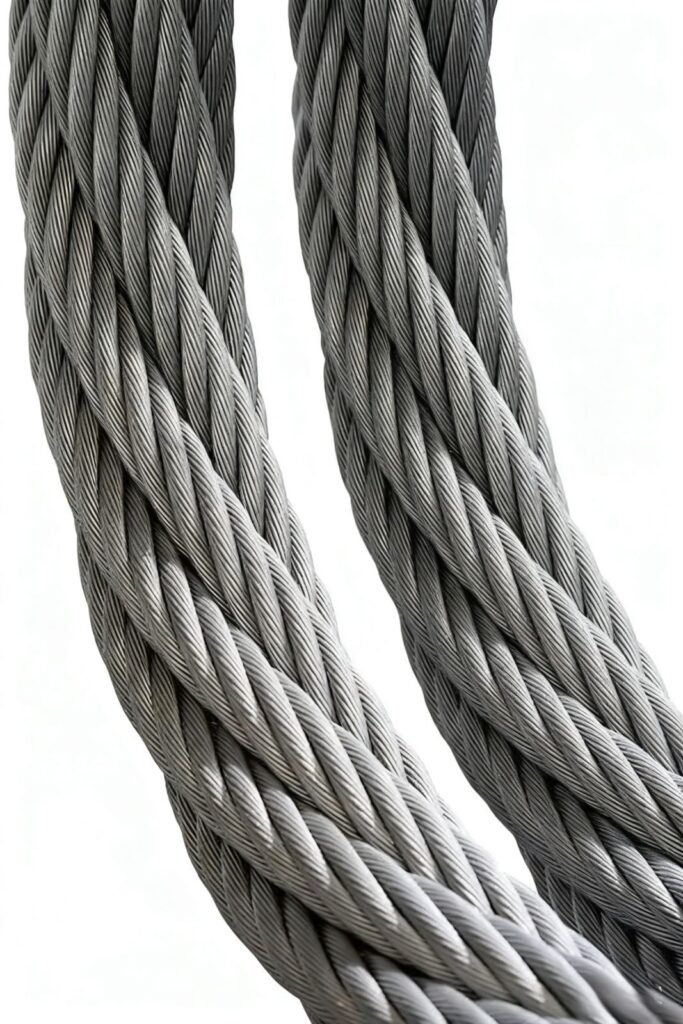
A wire rope is a helically wound assembly of multiple high-strength steel wires, designed to transmit mechanical power or support loads under tension. The rope’s structure allows it to combine strength, flexibility, and resistance to wear and fatigue.
Typically, a wire rope consists of three key components:
- Wires – the smallest individual elements that bear the load.
- Strands – groups of wires twisted together in a specific pattern.
- Core – the central support that maintains the rope’s shape and distributes stress.
Unlike a simple steel cable, a wire rope features a more sophisticated layered construction. This enables it to handle high dynamic loads and resist internal wear caused by repeated bending, making it a top choice for industrial lifting and rigging systems.
Anatomy of a Wire Rope
The internal structure of a wire rope cable determines its performance and durability. It generally includes three main layers:
- Wires
Each wire, typically 0.2–5 mm in diameter, is made from high-carbon steel.- Ropes with fewer, thicker wires (e.g., 6×7) provide high strength but lower flexibility.
- Ropes with more, thinner wires (e.g., 6×37) offer superior flexibility but reduced abrasion resistance.
- Strands
Several wires twisted together to form a strand. The lay direction (right-hand or left-hand, regular or Lang’s lay) affects the rope’s rotation resistance and fatigue characteristics. - Core
The backbone of the rope that provides support and maintains its geometry. Common types include:- FC (Fiber Core) – natural or synthetic fibers, excellent flexibility and lubrication retention.
- IWRC (Independent Wire Rope Core) – steel core, higher strength, crush resistance, and temperature tolerance.
Example: 6×19+IWRC means the rope has six strands, each containing 19 wires, and an independent wire rope core.

Materials and Properties
The performance and lifespan of a wire rope depend heavily on its material composition and surface treatment. Below is a comparison of common materials:
| Material Type | Key Properties | Typical Applications | Cost Level |
|---|---|---|---|
| Carbon Steel | High tensile strength, cost-effective | General machinery, industrial lifting | ★ |
| Galvanized Steel | Corrosion-resistant, low maintenance | Outdoor construction, ports | ★★ |
| Stainless Steel | Excellent corrosion and heat resistance | Marine, chemical, food processing | ★★★ |
| Plastic-Coated Rope | Noise reduction, added protection | Safety and decorative use | ★★ |
Wire ropes typically comply with international standards such as:
- ISO 2408 – Steel wire ropes technical requirements
- EN 12385 – European standard for safety and testing
- GB/T 20118 – Chinese national standard
These ensure structural consistency, load capacity, and long-term safety.

How It’s Made: The Wire Rope Manufacturing Process
Producing a high-quality wire rope cable requires precise engineering and strict quality control. The typical manufacturing process includes:
- Wire Drawing – Pulling high-carbon steel rods through dies to achieve precise diameters and surface finish.
- Heat Treatment & Coating – Annealing and galvanizing to improve ductility and corrosion resistance.
- Stranding – Twisting wires into strands with precise tension and lay direction.
- Closing (Rope Making) – Twisting multiple strands into the final rope configuration.
- Lubrication & Inspection – Applying protective lubricants and conducting tensile, fatigue, and bending tests.
The phrase “how it’s made wire rope” is often searched because the production process directly determines a rope’s reliability and performance in critical operations.
Common Types
Different rope constructions serve different industrial needs. Below are some of the most widely used types:
| Rope Type | Structure | Advantages | Typical Applications |
|---|---|---|---|
| 6×19 Class | 6 strands × 19 wires | High strength, good abrasion resistance | Cranes, bridges |
| 6×37 Class | 6 strands × 37 wires | Superior flexibility, fatigue resistance | Winches, elevators |
| 8×19+IWRC | Multi-strand with steel core | Stable, crush-resistant | Tower cranes, port cranes |
| Rotation-Resistant Rope | Opposite lay directions | Anti-twist, ideal for vertical lifting | High-rise lifting operations |
Each type offers a balance of flexibility, strength, and wear resistance suitable for specific load and environmental conditions.
Applications
Wire rope is used in almost every sector where heavy lifting, pulling, or tensioning is required:
Construction Industry
Used for cranes, elevators, and bridge cables.
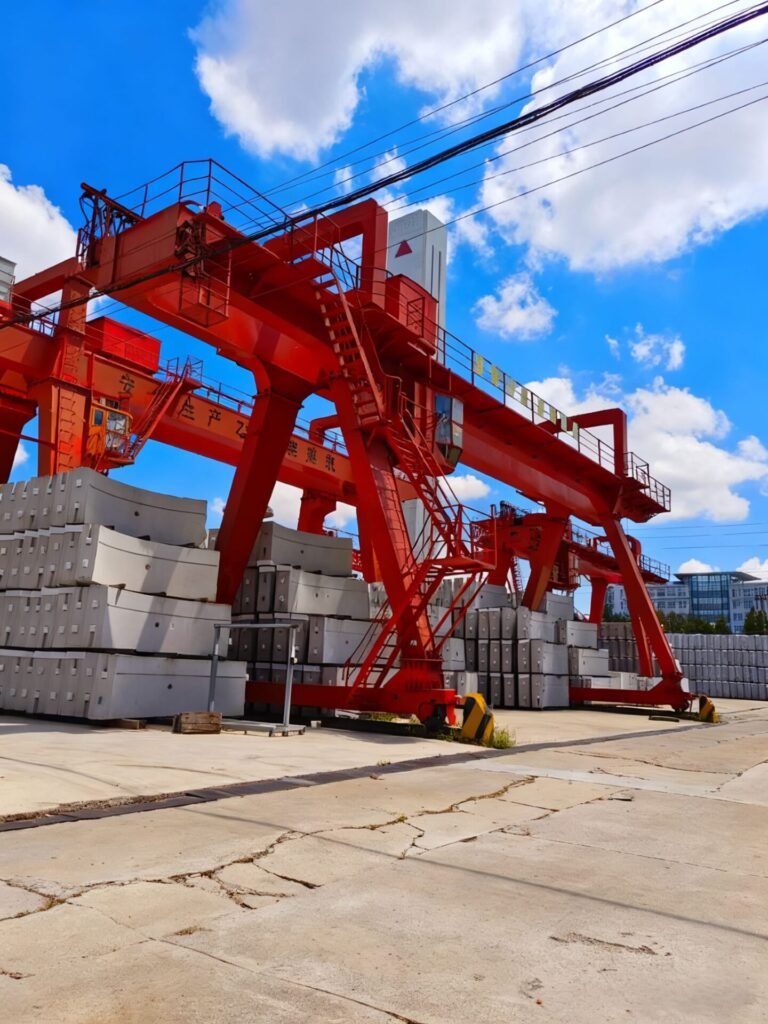
Example: A crane wire rope must withstand massive loads while maintaining flexibility and fatigue resistance.
Mining and Metallurgy
Used in hoisting systems, draglines, and winding drums.
Requires exceptional abrasion resistance and dimensional stability.
Marine and Offshore Engineering
Used in mooring, towing, and anchor systems.
Stainless or galvanized steel rope cables are preferred for saltwater resistance.
Transportation and Aerial Systems
Applied in cable cars, zip lines, and control systems.
Demands high flexibility and safety reliability.
These wide-ranging uses demonstrate why wire in construction and other sectors remains irreplaceable.
Maintenance and Lifespan Management
Proper maintenance directly affects the performance and longevity of wire rope. Follow these key steps:
1. Routine Inspection
- Check for broken wires, wear, corrosion, and deformation before each use.
- Replace the rope if broken wires exceed 5% of total count.
2. Regular Lubrication
- Apply specialized anti-rust lubricants every 100–200 working hours.
- Prevent internal friction and corrosion between strands.
3. Proper Storage
- Store in a dry, ventilated area.
- Avoid direct sunlight and moisture buildup.
4. Correct Operation
- Avoid overloading or shock loads.
- Maintain proper drum-to-rope diameter ratio (D/d ≥ 20).
- Prevent sudden starts or stops during lifting.
Routine maintenance can extend the rope’s lifespan by 30–50%, minimizing downtime and safety risks.
How to Choose the Right Wire Rope
Selecting the correct wire rope depends on load type, working conditions, and environmental factors:
| Selection Criteria | Description |
|---|---|
| Load Type | Static, dynamic, or shock loads |
| Working Frequency | High-frequency applications require flexible designs |
| Environment | Outdoor or marine conditions need anti-corrosion coatings |
| Rope-to-Drum Ratio | D/d ≥ 20 for optimal bending performance |
| Safety Factor | Typically between 5–7; for critical lifts, ≥ 8 |
At Yonghao Crane, we provide customized CAD rope designs and engineering advice tailored to your lifting conditions—ensuring maximum safety, efficiency, and cost-effectiveness.
Conclusion: Reliable Power through Engineering Excellence
A wire rope is far more than a mechanical component—it’s a symbol of reliability, precision, and strength.
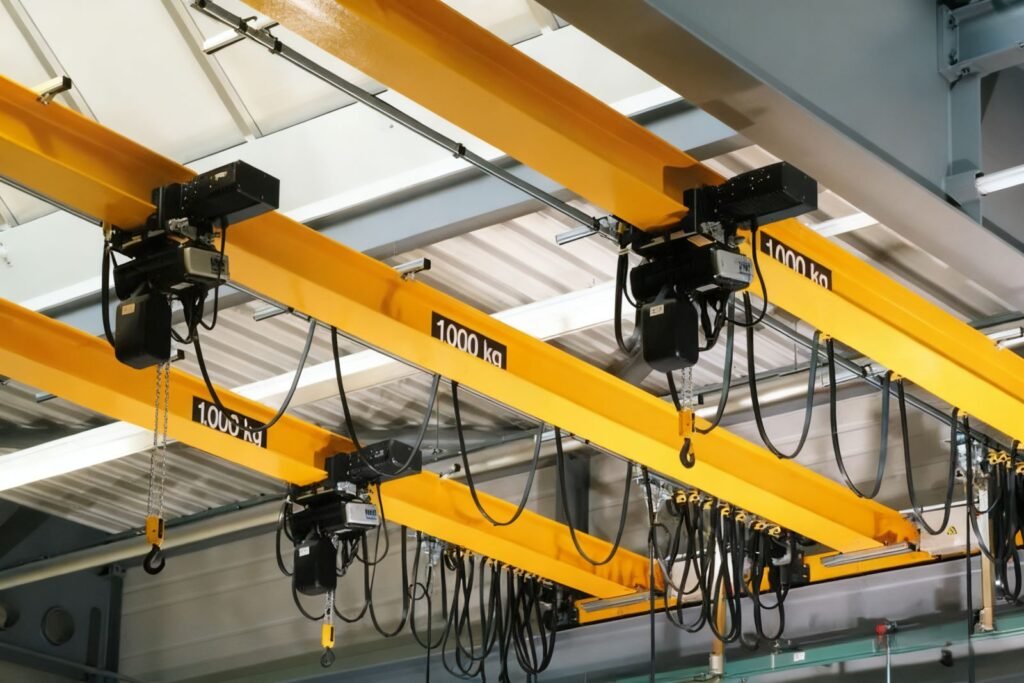
At Yonghao Crane, we combine advanced engineering with strict quality control to ensure every crane wire rope delivers outstanding performance, consistent tension, and long-term durability.
Whether your business operates in construction, heavy manufacturing, or mining, we provide:
- Professionally engineered lifting solutions
- Full CAD technical support
- Global service and installation guidance
Yonghao Crane – Lifting the World with Precision, Strength, and Innovation.
Email: yonghaoqizhong@163.com