Chinese (Simplified)
 Arabic
 Dutch
Dutch English
 French
 German
 Italian
 Portuguese
 Russian
 Spanish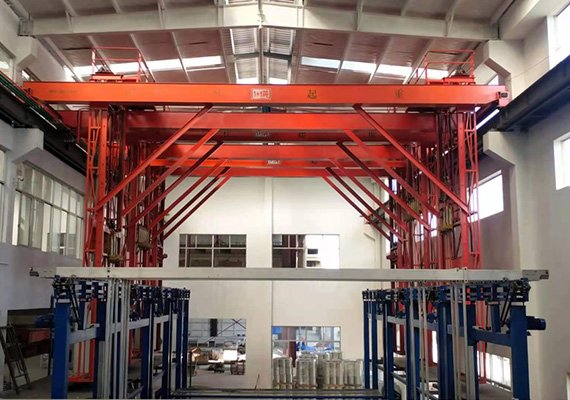
In industrial environments, an overhead crane plays a vital role in material handling and production efficiency. To ensure both operational safety and equipment reliability, regular overhead crane service is essential.
According to the Occupational Safety and Health Administration (OSHA 1910.179), companies are required to perform periodic inspections and maintenance on cranes to prevent mechanical failures and workplace accidents. By following a structured service process and adhering to compliance standards, businesses can extend equipment lifespan, reduce downtime, and minimize maintenance costs.
1. Key Components
A comprehensive overhead crane service typically includes several core elements that ensure optimal crane performance and safety compliance.
Daily Inspection
Before every use, operators should perform a basic safety check that includes:
- Inspecting hooks and wire ropes for wear or deformation
- Verifying brake and control button functionality
- Testing the responsiveness of limit switches
These quick daily checks—usually conducted by crane operators—help identify potential issues early, reducing the risk of accidents.
Periodic Maintenance
Professional technicians perform scheduled maintenance at monthly, quarterly, or annual intervals, focusing on:
- Cleaning and lubricating mechanical parts
- Inspecting and replacing electrical components
- Checking structural integrity of girders and end trucks
According to the Crane Manufacturers Association of America (CMAA) standards, maintenance frequency should be based on the crane’s duty class and usage rate.
Calibration and Load Testing
To verify that the crane meets design and safety standards, technicians conduct:
- Control system calibration
- Load testing (typically 125% of rated capacity, per OSHA 1910.179(k))
- Hook alignment and brake sensitivity tests
These assessments determine whether the equipment is safe for continued operation and are an essential part of annual inspections.
Troubleshooting and Component Replacement
If abnormalities are detected, immediate corrective actions must be taken. Technicians often use digital diagnostic tools to monitor motor temperature, brake response, or transmission wear.
For example, overheating motors may indicate worn brushes or insufficient lubrication. Prompt replacement of components helps prevent costly repairs or production delays.

2. Standards for Overhead Crane Inspection
Globally, overhead crane inspection practices are guided by recognized safety and quality standards.
| Standard Organization | Reference Code | Key Focus |
|---|---|---|
| OSHA | 1910.179 | Safety requirements for crane operation and inspection |
| CMAA | Spec 70 / Spec 74 | Design, service classification, and maintenance guidelines |
| ISO | 9927-1 | General inspection and maintenance procedures for cranes |
At Yonghao Crane, all overhead crane service procedures strictly follow these international standards, ensuring every crane meets the highest levels of safety and performance compliance.
3. Typical Overhead Crane Service Workflow
A well-organized overhead crane service typically follows a standardized process:
| Stage | Main Tasks | Personnel | Frequency |
|---|---|---|---|
| Initial Check | Inspect structure, hooks, motors, and control systems | Inspection engineer | Daily / per shift |
| Routine Maintenance | Lubrication, bolt tightening, cable inspection | Maintenance team | Monthly / quarterly |
| Special Inspection | Load test, electrical safety verification | Technical engineer | Annually |
| Documentation & Reporting | Record maintenance and test results | Service team | After each service |
4. Documentation and Reporting in Overhead Crane Service
In accordance with ISO 9927-1 and OSHA regulations, each service or inspection must be properly documented. Reports should include:
- Date of inspection and name of inspector
- List of items checked and findings
- Records of repairs or parts replaced
- Recommended next maintenance schedule
Such documentation not only ensures compliance but also supports long-term asset management and audit readiness.
5. Conclusion
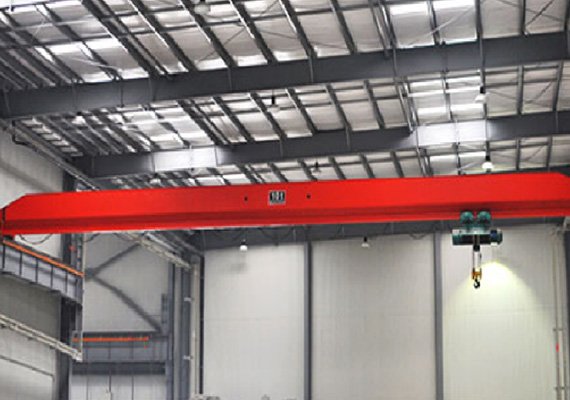
A professional overhead crane service is more than a regulatory requirement—it’s a vital practice for maintaining operational safety and efficiency.
With over a decade of experience in crane manufacturing and maintenance, Yonghao Crane delivers comprehensive, safety-compliant, and internationally certified crane service solutions to global clients.
Contact us today to schedule your Overhead Crane Service and keep your lifting operations running safely and efficiently.
Email: yonghaoqizhong@163.com